Most online stores invest their time and budget into attracting new customers. While acquiring buyers is important, relying on new sales alone can limit long-term growth and increase marketing costs.
The real opportunity lies in keeping existing customers coming back. Repeat buyers tend to spend more, purchase more often, and are more likely to recommend your brand, making customer retention one of the most profitable growth strategies.
Yet many businesses overlook the simple tactics that build lasting customer loyalty.
In this article, you’ll discover the customer retention strategy most online stores ignore and learn how it can help increase repeat sales and strengthen your business.
Turn your online store into native app with AppNatively
Why Customer Retention Is the Real Growth Engine
Many businesses focus heavily on acquiring new customers. While bringing in new buyers is important, sustainable growth comes from keeping the customers you already have.
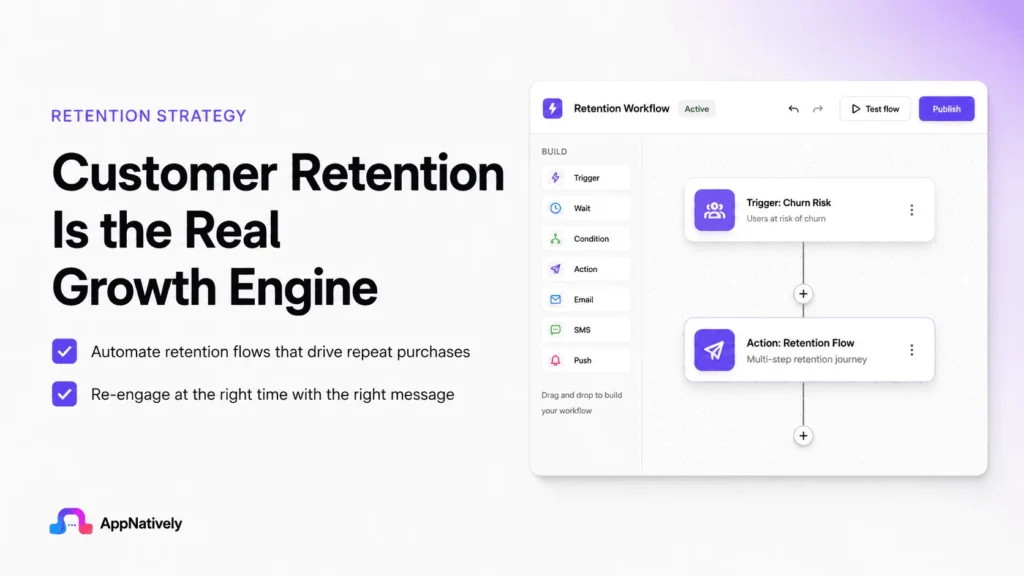
Customer retention is often the difference between businesses that grow steadily and those that constantly struggle to replace lost customers.
1. Retention costs less than acquisition
Acquiring a new customer typically requires significant spending on advertising, sales, promotions, and marketing campaigns.
Retaining an existing customer, on the other hand, usually costs much less. Loyal customers already know your brand, trust your products, and require less convincing to make another purchase.
By investing in customer satisfaction, personalized communication, and excellent support, businesses can generate more revenue without continuously increasing their marketing budgets.
2. Loyal customers spend more
Returning customers are more likely to purchase additional products, upgrade to premium services, and buy more frequently. As trust grows, so does their willingness to spend.
Over time, the lifetime value of a loyal customer often exceeds the value of several one-time buyers, making retention one of the most profitable business strategies.
3. Happy customers become brand advocates
Satisfied customers naturally recommend brands they enjoy to friends, family, and colleagues. These referrals are especially valuable because people tend to trust personal recommendations more than advertisements.
Word-of-mouth marketing not only reduces customer acquisition costs but also attracts higher-quality leads that are more likely to convert into long-term customers.
4. Better customer insights
Long-term customers provide valuable feedback that helps businesses improve products, services, and the overall customer experience. Their purchasing behavior also reveals trends that can guide product development and marketing decisions.
Businesses that listen to their loyal customers are better equipped to adapt to changing market demands.
5. Increased revenue stability
A strong base of repeat customers creates predictable revenue, making it easier to forecast sales and plan future investments.
During economic uncertainty or seasonal slowdowns, retained customers often continue buying, providing stability that businesses relying solely on new customer acquisition may lack.
6. Stronger competitive advantage
Products and prices can often be copied, but exceptional customer relationships are much harder for competitors to replicate.
Businesses that consistently deliver excellent experiences build emotional connections with customers, increasing loyalty and reducing the likelihood of customers switching to competitors.
The Customer Retention Strategy Most Online Stores Ignore
For many online stores, growth is measured by traffic, clicks, and new customer acquisitions.
Marketing budgets are poured into paid ads, influencer campaigns, and search engine optimization, all to attract first-time buyers.
While these efforts are important, they often overshadow one of the most effective growth strategies: retaining existing customers.
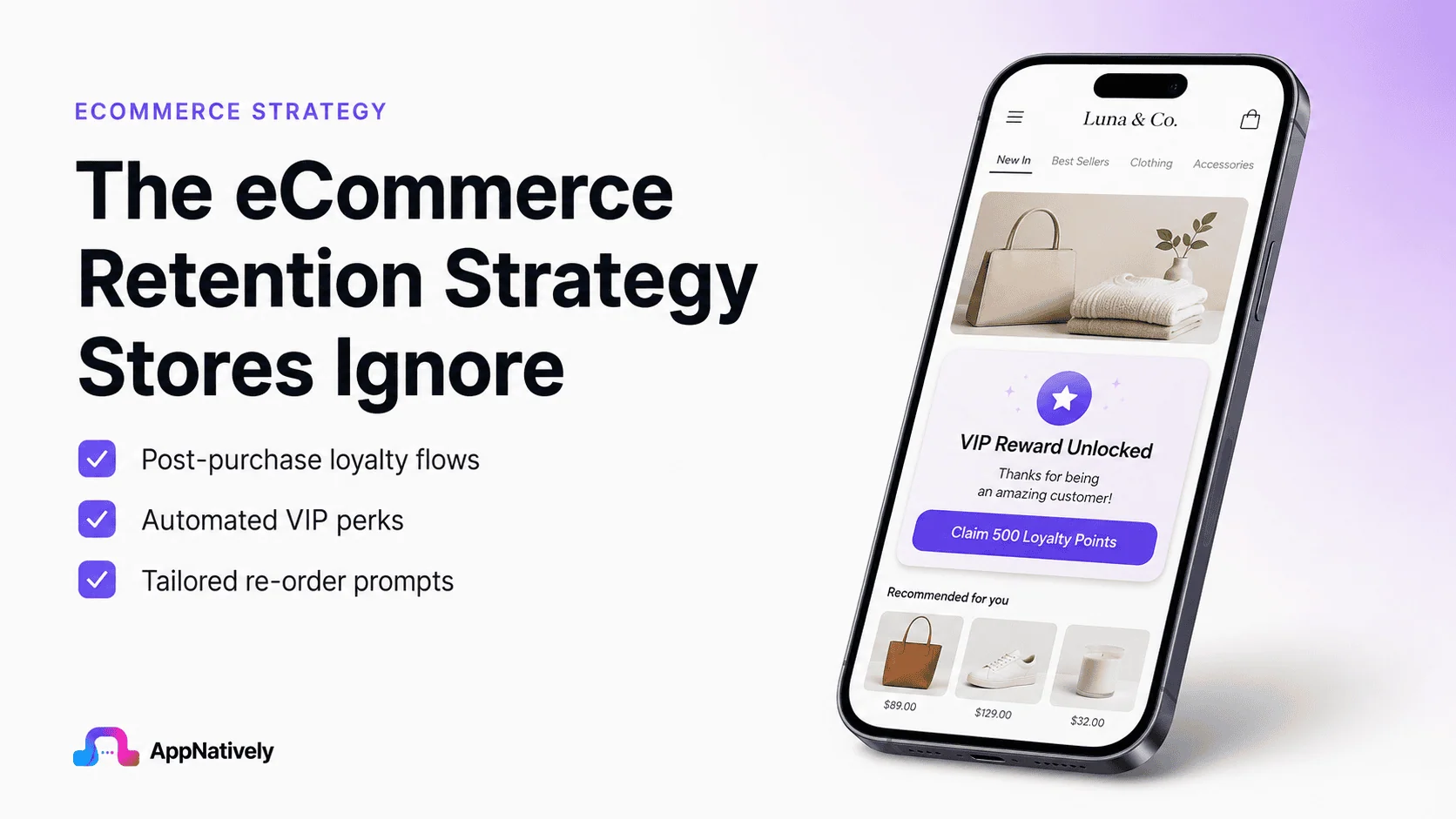
Surprisingly, the most overlooked retention strategy isn’t a flashy loyalty program or a major discount campaign. It’s creating a meaningful post-purchase experience.
i. The sale isn’t the finish line
Many businesses treat the purchase as the end of the customer journey. Once an order is placed, communication becomes limited to shipping updates and delivery confirmations.
After that, customers are often forgotten until the next promotional email.
This approach misses a valuable opportunity to build trust and encourage repeat purchases. The period immediately after a customer receives their order is when they’re most engaged with your brand.
A thoughtful follow-up can strengthen the relationship and leave a lasting impression.
ii. Focus on the customer experience
Retention starts with making customers feel valued beyond the transaction. A simple thank-you email, personalized product recommendations, or helpful usage tips can turn a one-time buyer into a loyal customer.
For example, if someone purchases skincare products, sending instructions on how to use them effectively or suggesting complementary items provides genuine value instead of simply pushing another sale.
Customers remember brands that help them succeed with their purchases.
iii. Solve problems before they become complaints
One of the easiest ways to improve retention is proactive customer support. Rather than waiting for customers to report issues, check in after delivery to ensure everything arrived as expected.
A short message asking whether they’re satisfied with their purchase shows that the business cares about their experience.
It also creates an opportunity to resolve small problems before they lead to negative reviews or lost customers.
iv. Reward loyalty beyond discounts
Many online stores rely heavily on discount codes to bring customers back. While promotions can be effective, they shouldn’t be the only retention strategy.
Exclusive product launches, early access to new collections, personalized rewards, educational content, and recognition for loyal customers often create stronger long-term relationships than constant price reductions.
Customers appreciate feeling valued, not just incentivized.
v. Collect feedback and act on it
Customer feedback is one of the most valuable resources an online business has. Asking customers about their experience demonstrates that their opinions matter.
More importantly, acting on that feedback builds trust. Whether it’s improving product quality, simplifying the checkout process, or enhancing shipping, customers notice when businesses make meaningful changes based on their suggestions.
vi. Personalization makes a difference
Generic marketing emails rarely inspire repeat purchases. Personalized communication based on browsing history, previous purchases, or customer preferences creates a more relevant shopping experience.
Recommendations that genuinely match a customer’s interests are more helpful and effective than sending the same promotion to everyone.
vii. Build relationships, not just transactions
The most successful online stores understand that retention is built through relationships. Every interaction, from the first purchase to ongoing support, contributes to customer loyalty.
When customers consistently receive value, responsive service, and personalized experiences, they have fewer reasons to shop elsewhere.
Why Most Online Stores Lose Customers Without Realizing It
Every online store celebrates new orders, growing traffic, and successful marketing campaigns. But behind those encouraging numbers, many businesses are quietly losing customers without realizing it.
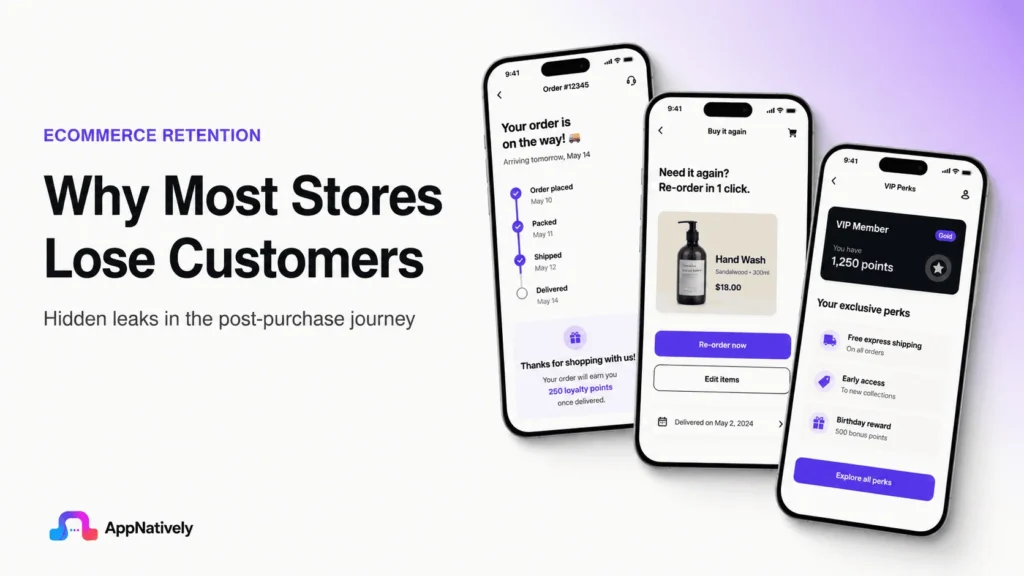
The problem isn’t always product quality or pricing. More often, it’s the customer experience after the initial purchase.
Customer churn rarely happens overnight. It usually results from a series of small frustrations that make shoppers choose a competitor the next time they need a similar product.
1. They focus too much on new customers
Many online stores invest heavily in attracting first-time buyers through paid ads, social media campaigns, and promotional offers. While customer acquisition is essential, it often comes at the expense of nurturing existing customers.
When loyal customers feel overlooked, they’re less likely to return. A balanced strategy that values both acquisition and retention leads to more sustainable growth.
2. The post-purchase experience is an afterthought
For many businesses, communication ends once the order has been delivered. Customers receive shipping updates and maybe a receipt, but little else.
The post-purchase stage is an opportunity to strengthen trust. Following up with a thank-you message, helpful product tips, or a request for feedback shows customers that the relationship doesn’t end after the sale.
3. Poor customer support drives customers away
Even the best products can’t compensate for slow or unhelpful customer service.
When shoppers encounter delayed responses, unresolved issues, or confusing return policies, they’re unlikely to make another purchase.
Fast, empathetic, and effective support can turn a disappointing experience into one that builds long-term loyalty.
4. Generic communication feels impersonal
Customers expect brands to understand their preferences. Sending the same promotional emails to everyone often leads to low engagement and unsubscribes.
Personalized recommendations, relevant offers, and content based on previous purchases make customers feel recognized and increase the likelihood of repeat business.
5. They ignore customer feedback
Reviews, surveys, and support conversations provide valuable insights into what customers want and where the shopping experience falls short.
Businesses that collect feedback but never act on it miss opportunities to improve. Customers notice when their suggestions lead to meaningful changes, and that responsiveness builds trust.
6. Loyalty is rewarded too late
Many stores only try to win customers back after they’ve stopped buying. By then, the customer may have already found a competitor.
Recognizing loyal customers early with exclusive offers, early access to new products, or personalized rewards helps strengthen relationships before they begin to fade.
7. Small frictions add up
Customers don’t always leave because of one major issue. More often, they drift away because of repeated inconveniences such as:
- A complicated checkout process.
- Unexpected shipping costs.
- Slow delivery times.
- Difficult returns or exchanges.
- Inconsistent product information.
- Too many irrelevant marketing emails.
Each issue may seem minor on its own, but together they create enough friction for customers to look elsewhere.
8. Measure more than sales
A store may appear to be growing while quietly losing repeat customers.
Looking beyond sales figures to metrics like repeat purchase rate, customer lifetime value, churn rate, and customer satisfaction provides a clearer picture of long-term business health.
These metrics often reveal problems before they become significant revenue losses.
How AppNatively Helps You Improve Customer Retention
One of the most effective ways to keep customers coming back is to provide a seamless, engaging shopping experience.
As a drag-and-drop native app builder, AppNatively enables online stores to launch fully native mobile apps without the complexity of traditional app development.
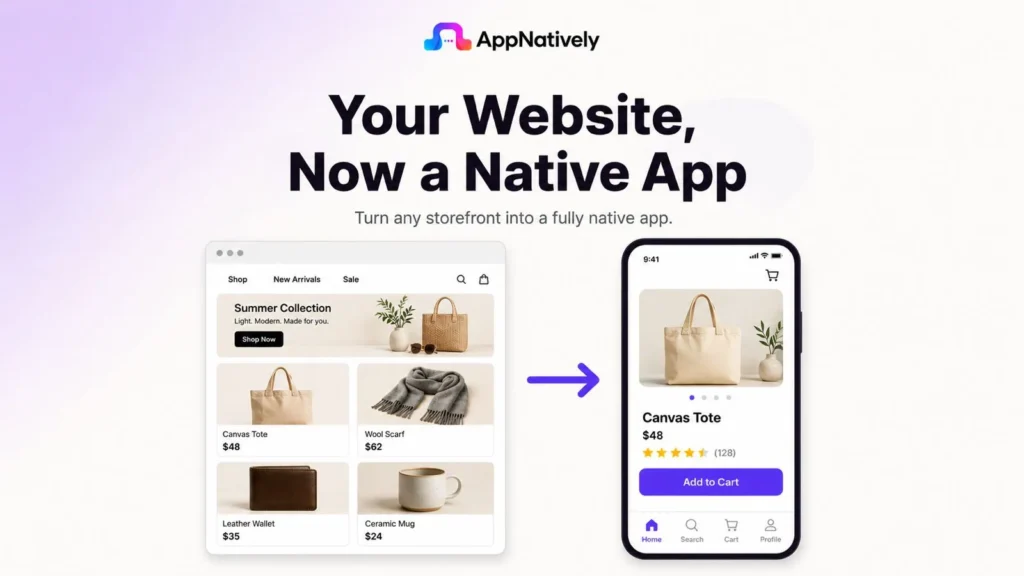
With a dedicated mobile app, businesses can stay connected to customers through features like push notifications, personalized shopping experiences, faster checkout, and easier access to products.
These touchpoints encourage repeat purchases, increase customer engagement, and keep your brand top of mind long after the first order.
Instead of relying solely on email campaigns or paid ads to re-engage shoppers, AppNatively helps merchants create a direct channel to their customers.
The result is stronger customer relationships, higher retention rates, and more opportunities for long-term growth, all through a native app built with a simple drag-and-drop interface.
Conclusion
Customer retention isn’t built through endless discounts or aggressive marketing. It’s built by consistently delivering value after the sale.
The most successful online stores understand that every order is the beginning of a long-term relationship, not the end of a transaction.
By investing in a thoughtful post-purchase experience, personalized communication, proactive customer support, and genuine customer care, businesses can turn one-time buyers into loyal advocates.