
Most directory apps start with a simple idea: collect useful information, organize it, and help people find what they need quickly. On paper, it sounds almost guaranteed to succeed.
After all, people are always searching for places, services, communities, or opportunities. But in reality, most directory apps quietly fail, not because the idea is bad, but because execution is much harder than it looks.
The biggest challenge is that directories depend on momentum. Without enough listings, users don’t find value. Without users, businesses and contributors don’t see a reason to join.
This creates a classic “empty room” problem and many directory apps never make it past this stage. Others struggle with outdated information, poor user experience, or lack of a clear niche, turning what could have been useful tools into forgotten apps.
The good news is that these failures are predictable and avoidable. By understanding why most directory apps fail, you can design smarter from the start, focus on real user value, and build something that people actually return to.
In this post, we’ll break down the most common mistakes and show you how to avoid them while building a directory app that stands out and lasts.
Convert your directory website into an iOS & Android app in 60 seconds (Join waitlist)
Why Most Directory Apps Fail (And How to Avoid It
Most directory apps sound like a great idea — list businesses, connect users, monetize with ads or subscriptions.
But in reality, most directory apps fail. Here’s why and how you can avoid the same mistakes.
1. No real problem being solved
Most directory apps fail because they don’t solve a meaningful problem. Many of them simply list businesses, services, or people without offering anything new or valuable.
Users already rely on search engines, maps, and social media for recommendations, so a basic directory rarely gives them a reason to switch.
To avoid this, focus on solving a specific problem for a specific audience.
A niche directory that offers unique insights, curated recommendations, or specialized features is far more likely to succeed than a general listing platform.
2. The cold start problem
Directory apps depend on both users and listings, which creates a difficult starting point.
Without listings, users have no reason to visit. Without users, businesses see no value in joining. This creates a cycle that prevents growth.
The best way to overcome this is to start small. Build listings manually, invite businesses directly, and launch in a limited geographic area or niche community. Once you gain traction, you can expand gradually.
3. Lack of ongoing engagement
Many directory apps are used once and then forgotten. Unlike social media or messaging apps, directories often lack reasons for users to return regularly. This leads to low retention and eventual failure.
To prevent this, create ongoing engagement. Features like updates, recommendations, new listings, deals, reviews, and saved favorites can encourage users to come back. The goal is to turn a one-time visit into repeated use.
4. Targeting too broad an audience
Trying to serve everyone often leads to serving no one effectively. Broad directories struggle to stand out and compete with established platforms.
Without a clear focus, the app becomes just another generic listing service.
Choosing a niche helps you stand out. Whether it’s student services, local food spots, tutors, or freelancers, a focused directory builds stronger user trust and grows faster.
5. Monetizing too early
Some directory apps attempt to generate revenue immediately by charging businesses or showing excessive advertisements.
Without a strong user base, businesses are unlikely to pay, and too many ads can push users away.
A better approach is to prioritize value first. Build a strong user base, grow listings, and then introduce monetization. When users find value, businesses will naturally become interested.
6. Poor data quality
Outdated or incorrect information quickly damages trust. Users expect accurate details, and even a few bad experiences can cause them to abandon the app entirely.
Maintaining quality data is essential. Regular updates, verified listings, and user feedback help keep information reliable. Trust plays a major role in long-term success.
7. Poor user experience
A confusing or slow interface can drive users away immediately. If people cannot quickly find what they need, they will return to alternatives that are easier to use.
A successful directory focuses on simplicity. Fast search, clean design, and intuitive navigation make the app more useful and encourage users to stay.
Turn Your Directory Website Into a Powerful Mobile App
If you’re serious about scaling, a mobile app is no longer optional — it’s essential.
Why App Natively is a Game-Changer
App Natively lets you convert your directory website into a fully functional mobile app without writing a single line of code.
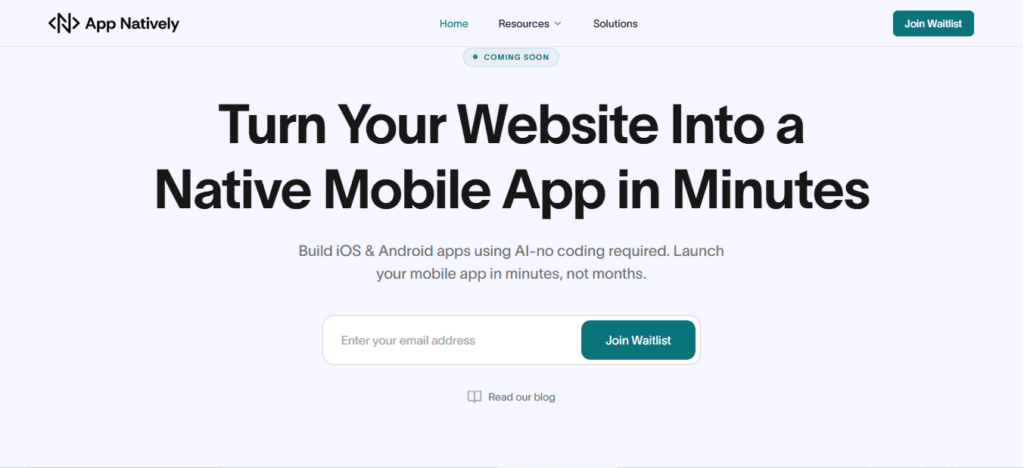
🔥 Why it stands out:
✔ Works with powerful directory plugins like Directorist, GeoDirectory, HivePress, Business Directory Plugin, Brilliant Directories, and more
✔ No-code solution — launch faster
✔ Fully customizable and scalable
✔ Native app performance (not just a wrapper)
✔ Perfect for both Android & iOS
Whether you’re just starting or scaling fast, this tool gives you the competitive edge to dominate your niche.
🚀 Turn your directory into a high-performance mobile app in minute — Join the App Natively waitlist today and be the first to scale smarter.
Frequently Asked Questions (FAQs)
Q1: Why do most directory websites fail?
Most fail due to lack of niche focus, poor user experience, weak monetization, and no sustainable traffic strategy.
Q2: How do directory apps make money?
They generate revenue through paid listings, subscriptions, featured placements, and lead generation fees.
Q3: Is a directory app still profitable in 2026?
Yes, if you target a niche market and provide real value with strong SEO and monetization strategies.
Q4: How do I get users for my directory app?
Start with manual onboarding, SEO, partnerships, and offering free listings initially to build momentum.
Q5: What is the biggest mistake in building a directory app?
Trying to build a general directory instead of focusing on a specific niche.
Leave a Reply