Author: Jake Wood

  • How to Populate Your Directory App with Listings (10 Hacks That Work)

    How to Populate Your Directory App with Listings (10 Hacks That Work)

    Populating your directory app with listings means adding relevant, high-quality entries that make your platform useful from day one. The fastest way to do this is by combining manual data sourcing, automated imports, and user-generated submissions.

    An empty directory kills trust and conversions instantly. No matter how powerful your features are, users won’t engage without content. That’s why the success of your directory app depends heavily on how quickly and effectively you can fill it with valuable listings.

    In this blog post, you’ll learn proven, scalable strategies to populate your directory app with listings, attract contributors, and build momentum so your platform grows faster than competitors.

    Step-by-Step Action Plan to Populate Your Directory App with Listings

    Building a successful directory app is not about just launching a platform; it is about filling it with valuable listings that users actually trust and engage with.

    Without a smart population strategy, even the most beautifully designed directory will stay invisible.

    Step 1: Define your listing strategy niche first, scale later

    Start by focusing on a clear niche instead of trying to cover everything at once. A focused directory grows faster, ranks better, and attracts the right audience from the beginning.

    Choose one strong direction, such as local businesses, services, real estate, or professionals, and build around it with clarity.

    At this stage, decide what your listings will represent and what core information each one must include.

    Keep it consistent so every listing feels part of a structured system. This foundation makes your directory easier to scale and far more professional.

    Step 2: Reverse engineer competitors

    Before adding your own listings, study successful directories in your space. Observe how they structure categories, what details they include, and how they present information to users. This gives you a blueprint of what already works in the market.

    Then identify what they are missing. Many directories fail with outdated data, weak descriptions, or poor user experience. Your opportunity is to outperform them by offering cleaner, richer, and more accurate listings that feel premium.

    Step 3: Seed your platform with foundational listings

    A new directory feels empty without initial content, so you need to manually build your base. Start by adding your first set of listings that give your platform credibility and visual completeness.

    Gather information from public sources such as business websites, maps, and social platforms. Focus on quality over speed, making sure each listing has strong descriptions, correct categories, and useful visuals. These early listings set the tone for everything that follows.

    Step 4: Scale using bulk import and automation

    Once your foundation is ready, move away from manual work and focus on scaling. Bulk import tools and automation allow you to grow your listings quickly without losing structure or consistency.

    You can use CSV uploads or APIs depending on your platform. If you are using tools like Directorist GeoDirectory, HivePress, and other directory solutions, this becomes even easier with built-in import features and custom field mapping. This step is where your directory starts to grow seriously.

    Step 5: Enable user-generated listings

    To make your directory self-growing, allow users to submit their own listings. This reduces your workload and brings real-time content directly from business owners and users.

    You can also let users claim listings and update their information. This increases accuracy while giving them a sense of ownership, which keeps your directory fresh and active over time.

    Step 6: Create strong incentives for submissions

    Just allowing submissions is not enough; you need to motivate users to participate. Offer benefits like free exposure, better visibility, or access to targeted audiences that actually matter.

    You can also introduce premium placement options for featured listings. This not only encourages more submissions but also creates a monetization path for your directory.

    Step 7: Optimize every listing for SEO

    Each listing should act like a mini landing page designed to rank on search engines. Use strong titles, keyword-rich descriptions, and clean URLs to improve visibility.

    Make sure the content is unique and not duplicated. Add FAQs, detailed descriptions, and structured information to improve both SEO and user experience. Over time, this turns your directory into a powerful organic traffic engine.

    Step 8: Build trust with reviews and ratings

    Trust is what turns visitors into users. Adding a review and rating system makes your directory more interactive and credible. People rely heavily on social proof when choosing services.

    Encourage users to leave reviews by making the process simple and rewarding engagement where possible. Even a small number of authentic reviews can significantly improve conversion and trust.

    Step 9: Promote your directory aggressively

    Once you have solid listings, shift focus to promotion. Share listings across social media, run campaigns, and collaborate with local businesses to bring traffic to your platform.

    Promotion also drives new submissions, creating a cycle of growth. The more visibility you gain, the faster your directory fills up naturally.

    Step 10: Continuously improve and expand

    A directory is never truly finished. Keep updating listings, removing outdated data, and improving categories based on user behavior and analytics.

    As you grow, expand into new niches or locations to scale your reach. Continuous improvement is what turns a simple directory into a long-term business asset.

    Build a High-Converting Directory App with App Natively

    Your directory app should do more than display listings; it should actively convert visitors into users, contributors, and paying customers.

    With App Natively, you can transform your idea into a powerful, revenue-ready platform without the usual development complexity.

    How to Populate Your Directory App with Listings

    Unlike traditional app builders, App Natively is built for speed, flexibility, and real-world scalability.

    Whether you are creating a business directory, job board, or niche marketplace, it helps you launch quickly and grow efficiently with built-in tools for listings, user engagement, and monetization

    What makes App Natively truly conversion-focused is how it removes friction from every step of the user journey.

    From seamless listing submissions to clean mobile-first design, every interaction is optimized to keep users engaged and encourage meaningful actions such as adding listings, claiming profiles, or upgrading for premium visibility

    If your goal is to build a directory that not only exists but actively grows, App Natively gives you the foundation to launch faster, attract more listings, and scale into a profitable digital ecosystem

    Convert your directory website into an iOS & Android app in minutes with App Natively (Join waitlist)

    Frequently Asked Questions (FAQs)

    How do I get the first 1000 listings for my directory app?

    Use a combination of public APIs (Google Places, Yelp Fusion, Foursquare), CSV imports from government open data, and incentivized user submissions (e.g., “submit 5 listings to unlock premium features”).

    Can I legally scrape listings from competitors?

    Generally, no – that violates Terms of Service and may lead to legal action. Instead, use official APIs or partner with data providers like Data Axle or SafeGraph.

    What is the best way to automate listing population?

    Build a crawler that targets public sources (e.g., Chamber of Commerce websites, local business registries) using Python + Scrapy. Schedule it to run weekly.

    How do I avoid duplicate listings?

    Implement a matching algorithm based on business name + address + phone number (Levenshtein distance). Use a unique ID from an external source (e.g., Google Place ID).

    Will empty categories hurt my directory’s SEO?

    Yes. Noindex empty category pages or auto-populate them with placeholder data and a “Be the first to add a listing” CTA.

  • Why 90% of Apps Will Be Built Without Code by 2027 (And How to Stay Ahead)

    Why 90% of Apps Will Be Built Without Code by 2027 (And How to Stay Ahead)

    Traditional app development is expensive, time-consuming, and heavily dependent on skilled developers.

    For startups and businesses, this creates a major bottleneck—ideas sit idle while competitors move faster.

    What if you could turn your idea into a working app in days instead of months? What if your marketing team, founder, or operations manager could build tools without writing a single line of code?

    No-code platforms are removing the biggest barrier in tech, coding. With drag-and-drop builders, automation, and AI integration, anyone can now create powerful applications without technical expertise.

    👉 Join the waitlist for App Natively and be among the first to build AI-powered apps without code.

    Why 90% of Apps Will Be Built Without Code by 2027

    1. The developer shortage is accelerating the shift

    The demand for software is growing faster than the supply of developers.

    Companies are struggling to hire and retain engineering talent, which makes no-code platforms a practical alternative.

    Businesses can’t afford to wait—they need solutions now.

    2. AI is making no-code even more powerful

    AI is supercharging no-code platforms by enabling automation, smart workflows, and even app generation from simple prompts.

    This combination drastically reduces the need for manual coding while increasing output.

    3. Speed is the new competitive advantage

    In today’s market, the fastest builder wins. No-code tools allow teams to launch MVPs in days, validate ideas quickly, and iterate based on user feedback, something traditional development struggles to match.

    4. Cost efficiency is driving adoption

    Hiring developers, maintaining infrastructure, and managing long development cycles are expensive.

    No-code reduces these costs significantly, making app development accessible to startups and small businesses.

    5. The rise of citizen developers

    Non-technical users like marketers, founders, and product managers are now building applications themselves.

    This shift is redefining who can create software and how innovation happens.

    What Types of Apps Will Be Built Without Code

    i. Startups and MVPs

    Founders are increasingly using no-code to validate ideas quickly before investing in full-scale development.

    ii. Internal business tools

    Companies are building dashboards, CRMs, and automation tools without relying on engineering teams.

    iii. Marketplaces and SaaS products

    No-code platforms now support complex applications, including multi-vendor marketplaces and subscription-based SaaS tools.

    iv. Mobile apps

    With the rise of AI-powered builders, native mobile apps are becoming easier to create without coding knowledge.

    Why You Should Care Right Now

    Early adopters will win big

    Just like early adopters of social media and SEO dominated their industries, early no-code adopters will gain a massive competitive advantage.

    The barrier to entry is disappearing

    You no longer need a technical background to build software. Ideas and execution matter more than coding skills.

    The market will get crowded

    As more people adopt no-code, competition will increase. Getting in early is the key to standing out.

    No-Code vs Traditional Development (Comparison Chart)

    FactorNo-Code DevelopmentTraditional Development
    Speed of DevelopmentExtremely fast — apps can be built in days or weeksSlower — typically takes months to develop and launch
    Technical Skills RequiredNo coding skills needed — beginner-friendlyRequires experienced developers and coding expertise
    CostLow cost — minimal development and maintenance expensesHigh cost — developer salaries, infrastructure, ongoing maintenance
    Flexibility & CustomizationLimited to platform capabilities and integrationsFully customizable — complete control over features and logic
    ScalabilityImproving rapidly — suitable for most startups and SMEsHighly scalable — ideal for complex, enterprise-level systems
    MaintenanceHandled by the platform — minimal effort requiredRequires continuous updates, bug fixes, and DevOps support
    Time to MarketVery fast — launch MVPs quicklySlow — longer testing and development cycles
    SecurityManaged by platform providers — generally secureFully controlled — depends on development practices
    Integration CapabilitiesEasy integrations via APIs and pluginsFully flexible but requires manual implementation
    Ownership & ControlPlatform-dependent — limited backend accessFull ownership of code and infrastructure
    Learning CurveVery low — intuitive drag-and-drop interfacesHigh — requires programming knowledge and experience
    Best ForStartups, MVPs, internal tools, rapid prototypingLarge-scale apps, complex systems, custom solutions

    Build Smarter, Launch Faster with App Natively

    What if you could turn your idea into a fully functional, native app without writing a single line of code, hiring expensive developers, or waiting months to launch?

    That’s exactly what App Natively is built for.

    Designed for founders, marketers, creators, and agencies, App Natively is an AI-powered no-code platform that eliminates the biggest bottlenecks in app development.

    Instead of struggling with complexity, you simply describe what you want and the platform helps you bring it to life faster than ever before.

    Imagine launching your MVP in days. Imagine testing ideas instantly. Imagine owning your product without technical dependency. This is not just convenience—it’s a competitive advantage.
    The future of app development is not coding. It’s creation without friction. And early adopters always win.

    Right now, while others are still stuck in slow development cycles, you have the opportunity to get ahead before the market becomes crowded.

    👉 Join the App Natively waitlist today and secure your early access to the next generation of app building.

    Frequently Asked Questions (FAQs)

    What is no-code app development?

    No-code app development allows users to build applications using visual interfaces and drag-and-drop tools without writing code.

    Will no-code replace developers?

    No, but it will reduce the need for developers in many projects. Developers will focus more on complex and scalable systems.

    Is no-code scalable for large applications?

    Modern no-code platforms are increasingly scalable and can handle complex applications, especially when combined with APIs and integrations.

    How fast can you build an app with no-code?

    Depending on complexity, apps can be built in days or weeks instead of months.

    Are no-code apps secure?

    Most reputable no-code platforms offer strong security measures, including data encryption and compliance standards.

    What is the future of no-code development?

    No-code is expected to dominate app development by 2027, making software creation accessible to millions of non-developers worldwide.

  • Best No-Code App Builders to Launch an MVP Fast

    Best No-Code App Builders to Launch an MVP Fast

    What if you could launch your startup idea without coding, developers, or months of waiting?

    Today’s no-code app builders let founders, entrepreneurs, and creators build fully functional MVPs (Minimum Viable Products) in days instead of months, saving time, money, and effort.

    Whether you’re building a startup MVP, or turning your website into a native mobile app, modern no-code platforms provide drag-and-drop interfaces, built-in databases, integrations, and AI-powered features.

    This means you can validate your idea faster, test your market, and launch before competitors even start development.

    In this blog post, you’ll discover the best no-code app builders for launching an MVP quickly, compare their features, and find the perfect platform to turn your idea into a live product today.

    Why Use No‑Code App Builders for MVP Development?

    Using no-code app builders for MVP (Minimum Viable Product) development has become very popular, especially for startups, students, and solo founders.

    Here’s why they’re so useful

    1. Build much faster

    No-code tools let you build apps in days or weeks instead of months. Instead of hiring developers, writing backend code, and designing databases, you can simply drag, drop, and launch quickly.

    Platforms like Bubble, Glide, Adalo, and Webflow make it easy to turn ideas into working products in a short time.

    2. Lower cost

    Building an MVP traditionally can cost thousands of dollars. No-code tools significantly reduce costs because you don’t need a full development team.

    Many platforms offer free plans or affordable subscriptions, making them ideal for students, startups, and solo founders with limited budgets.

    3. Easy to test ideas

    The main goal of an MVP is to test whether your idea works. No-code tools allow you to launch quickly, gather feedback, and make improvements without heavy investment.

    This helps you avoid wasting time and money on ideas that may not succeed.

    4. No coding skills required

    You don’t need to be a programmer to build an app. No-code platforms use visual editors and simple logic, allowing anyone to create functional applications.

    This empowers entrepreneurs, designers, and students to build their own products.

    5. Quick changes and updates

    No-code tools make it easy to update your app based on user feedback.

    Instead of rewriting code, you can adjust features, layouts, or workflows in minutes. This flexibility is perfect for MVP development.

    6. Faster time to market

    Launching early gives you a competitive advantage. No-code platforms help you release your MVP quickly so you can start gaining users, feedback, and traction sooner.
    How to Choose the Best No‑Code App Builder for MVP

    Choosing the right no-code platform depends on your idea, timeline, and complexity.

    Not all tools are the same — some are fast but limited, while others are powerful but require more learning.

    Here’s a simple guide to help you choose the best one.

    Decide what type of app you want

    Start by identifying what you’re building. If you’re creating a web app, platforms like Bubble work well because they support complex features and workflows.

    If you’re building a mobile app, Adalo is designed specifically for mobile experiences. For simple tools or quick MVPs, Glide is often the fastest option. If your MVP is mainly a website, Webflow is a strong choice.

    Consider speed vs flexibility

    Some platforms prioritize speed, while others offer more flexibility. Glide helps you build quickly with simple features, making it great for testing ideas fast.

    Adalo offers a balance between ease and customization. Bubble provides deeper control and advanced logic, which is useful for more complex MVPs.

    Check the learning curve

    Your experience level also matters. Beginners often find Glide and Adalo easier to start with because of their simple interfaces.

    Webflow requires some design knowledge but offers more customization. Bubble is powerful but may take longer to learn due to its advanced features.

    Think about scalability

    Consider whether your MVP might grow into a full product. If you’re building a simple MVP, Glide or Adalo may be enough.

    If you’re planning to build a startup that grows over time, Bubble is often better suited.

    Webflow is ideal when design and user experience are your top priorities.

    Check integrations & features

    Look at what features the platform supports. Some no-code tools provide built-in databases, API integrations, payment systems, authentication, and automation.

    Platforms like Bubble typically offer more advanced backend capabilities, which can be helpful as your product grows.

    Best No‑Code App Builders to Launch an MVP Fast

    Most startup ideas fail—not because they’re bad, but because they take too long to launch and validate.
    No-code app builders eliminate that delay, letting you turn ideas into real products in days instead of months.

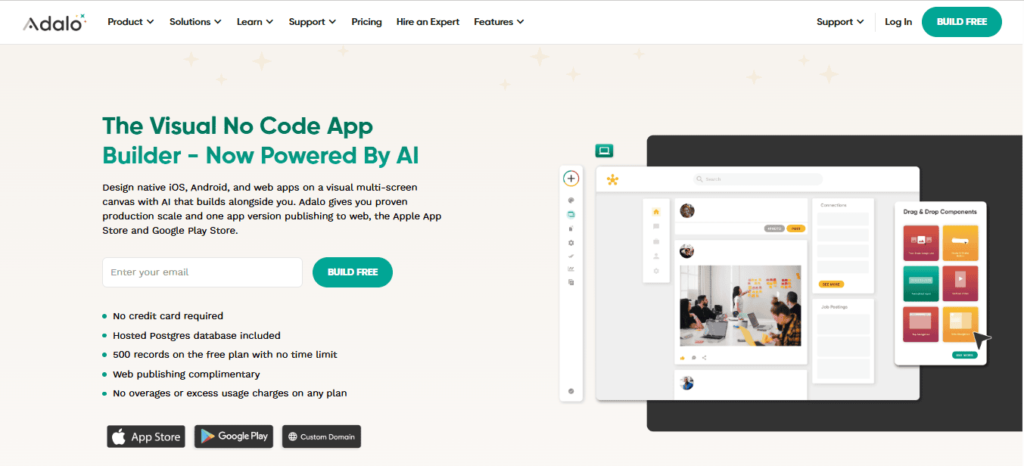
    1. Adalo — Best for Native Mobile MVPs

    If your goal is to launch a real mobile app on the App Store or Google Play without coding, Adalo is your best bet.

    Best No-Code App Builders to Launch an MVP

    It allows you to visually build apps and publish them as native apps, making it ideal for founders targeting mobile-first users.

    Its drag-and-drop interface plus AI-assisted builder help you go from idea to live product quickly.

    Research shows it ranks #1 among visual builders for non-developers due to its balance of ease and capability.

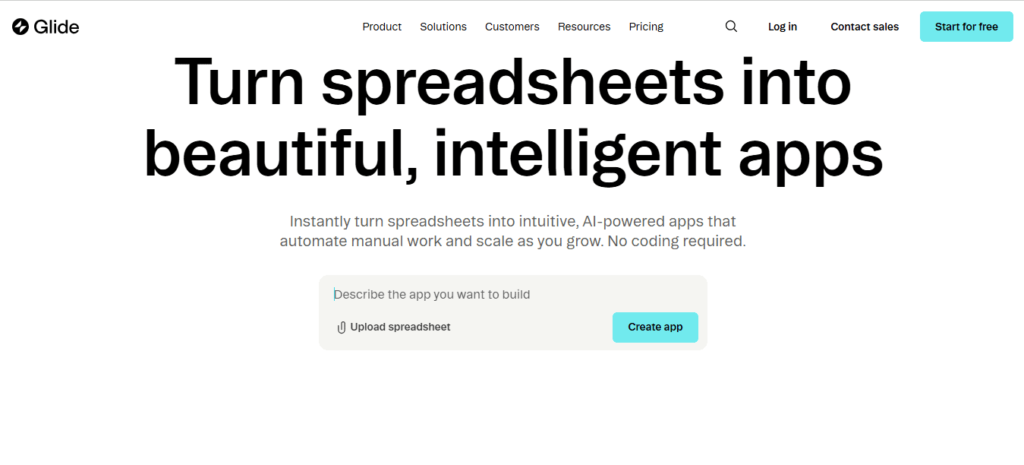
    2. Glide — Fastest for MVP Prototyping

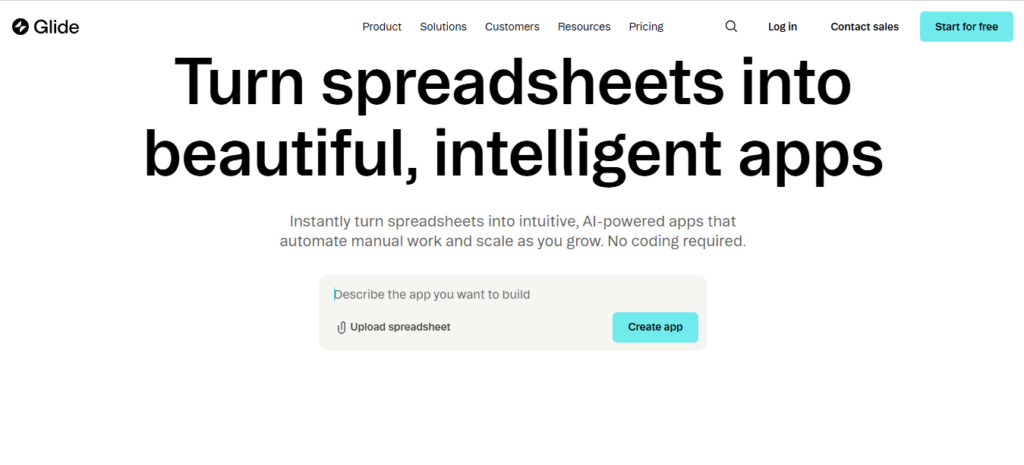
    Glide is the quickest way to turn a spreadsheet into a working app. If your MVP relies on structured data (like directories, CRMs, dashboards), this tool can get you live in hours—not weeks.

    Best No-Code App Builders to Launch an MVP

    It’s extremely beginner-friendly and ideal for internal tools or validation-stage products.

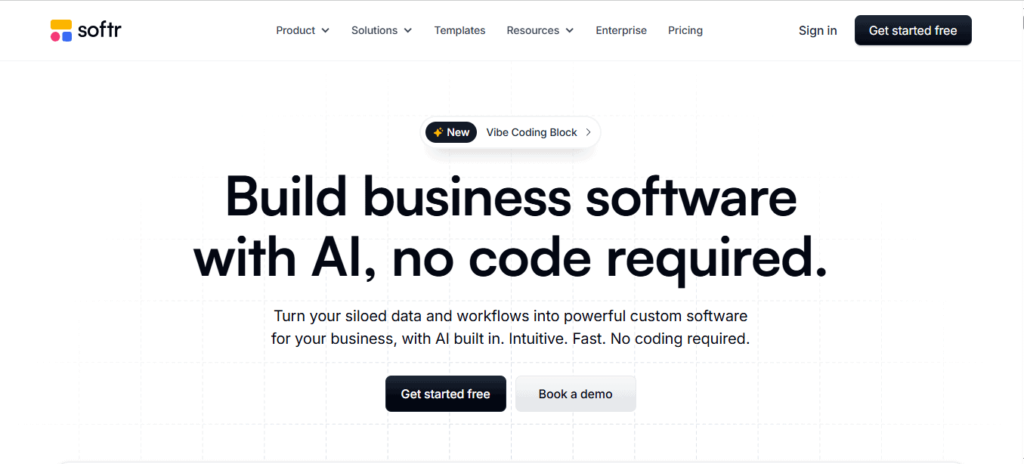
    3. Softr — Best for Client Portals & SaaS MVPs

    Softr shines when you want to build membership platforms, directories, or SaaS dashboards.

    Best No-Code App Builders to Launch an MVP

    It connects easily with Airtable, Google Sheets, and other databases.

    With templates and drag-and-drop blocks, you can launch polished web apps quickly without technical complexity.

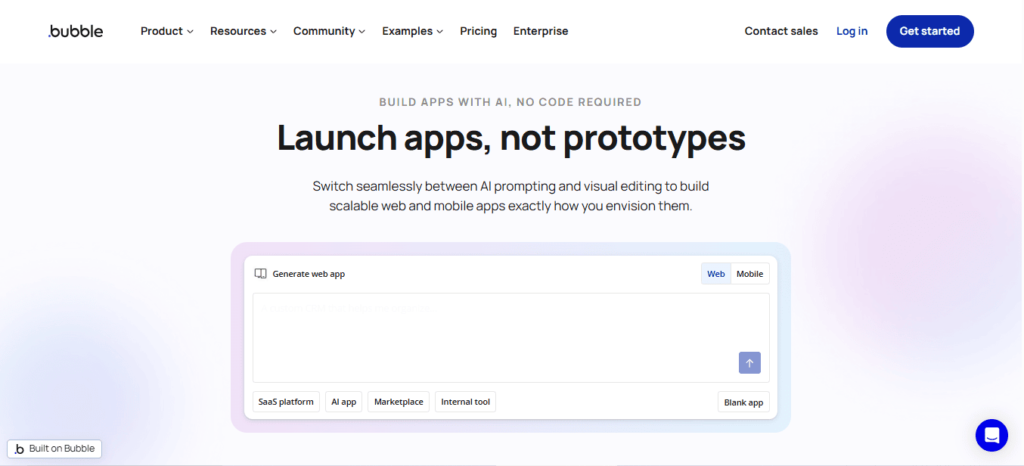
    4. Bubble — Best for Complex MVPs

    Bubble is the most powerful no-code builder for creating full SaaS products. It offers advanced workflows, backend logic, and deep customization.

    Best No-Code App Builders to Launch an MVP

    However, it has a steeper learning curve compared to other tools, but if your MVP requires complex logic or scalability, this is the platform to choose.

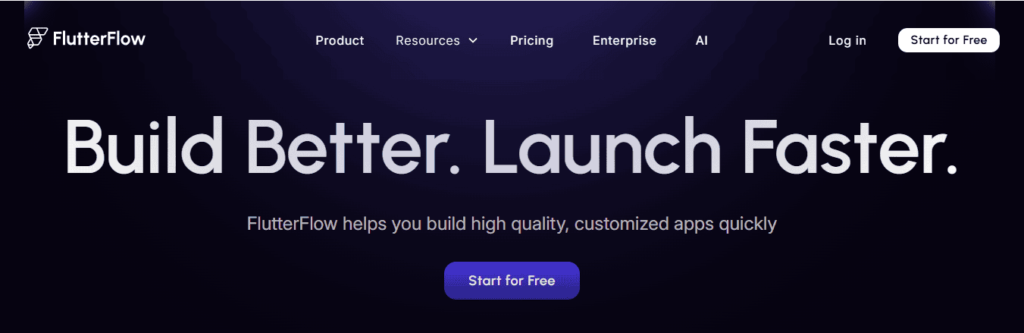
    5. FlutterFlow — Best for Scalable Apps

    FlutterFlow is ideal if you want both no-code speed and developer-level scalability.

    Best No-Code App Builders to Launch an MVP

    Built on Flutter, it allows you to export code and integrate with Firebase.

    This makes it perfect for startups planning to transition from MVP to production-grade apps.

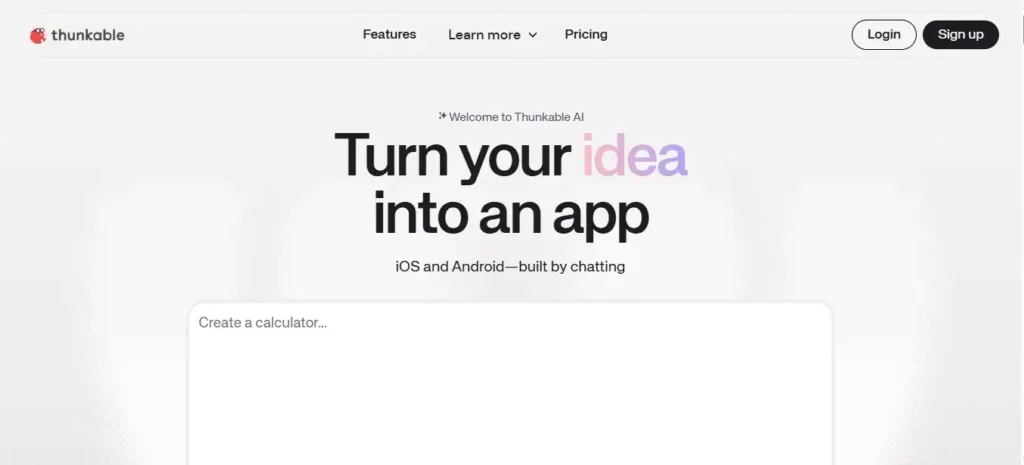
    6. Thunkable — Best for Cross-Platform Apps

    Thunkable enables you to build apps for both iOS and Android using a block-based system.

    Best No-Code App Builders to Launch an MVP

    It’s particularly useful for beginners who want to create interactive apps quickly.

    Live testing features make iteration and MVP validation faster.

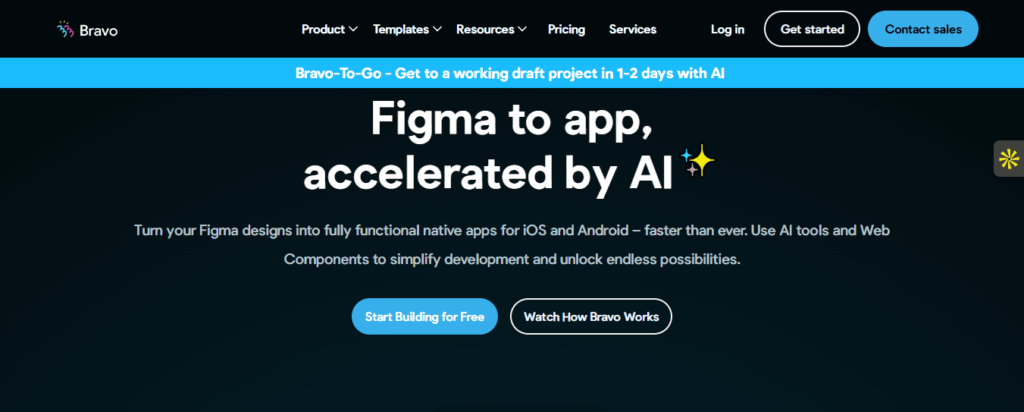
    7. Bravo Studio — Best for Design-First MVPs

    If you’re a designer or using Figma, Bravo Studio lets you turn designs directly into functional apps.

    Best No-Code App Builders to Launch an MVP

    It’s perfect for startups that prioritize UI/UX and want a visually stunning MVP without backend complexity.

    Comparison Table of Best No‑Code App Builders

    ToolBest ForSpeedComplexityPlatform
    AdaloNative mobile appsFastMediumiOS + Android
    GlideSpreadsheet appsVery FastLowWeb/PWA
    SoftrSaaS & portalsFastLowWeb
    BubbleComplex SaaSMediumHighWeb
    FlutterFlowScalable appsMediumMediumWeb + Mobile
    ThunkableCross-platform appsFastMediumiOS + Android
    Bravo StudioDesign-based appsFastLowMobile

    Step‑by‑Step: How to Launch an MVP Fast Using a No‑Code App Builder

    Launching an MVP doesn’t fail because of lack of ideas, but it fails because founders overbuild before validating.
    With the right no-code approach, you can go from concept to real users in days, not months.

    Step 1: Define a painful problem worth solving

    Before touching any tool, get crystal clear on the problem. Your MVP isn’t about features, it’s about solving one specific pain point.

    Instead of building a “feature-rich app,” define a simple outcome like:
    “Help freelancers track invoices easily” or “Help gyms manage member bookings.”

    The sharper the problem, the faster your MVP will succeed.

    Step 2: Choose the right no-code builder

    Not all tools are built for the same purpose, so your choice directly impacts speed and scalability.

    If you want to build a SaaS product with complex workflows, go with Bubble.
    For ultra-fast data-driven apps, Glide is ideal.
    If you’re creating client portals or directories, Softr works best.
    And for mobile-first apps, Adalo is a strong choice.

    The key is simple: don’t pick the most powerful tool—pick the fastest tool for your use case.

    Step 3: Sketch your MVP (Don’t Design Yet)

    Jumping into design too early is a trap. Instead, map your user flow on paper or a simple tool.

    Think in terms of actions:

    User signs up → completes one key task → gets value → returns again

    This clarity prevents feature overload and keeps your MVP lean.

    Step 4: Build only the core feature

    This is where most founders go wrong—they try to build everything.

    Your MVP should answer one question:

    “Will users pay or use this solution?”

    If you’re building a booking app, don’t add reviews, chat, or dashboards yet.

    Just enable booking. That’s it.

    Step 5: Use templates to save time

    Most no-code platforms offer ready-made templates. Use them.

    Templates reduce development time from weeks to hours. You can customize later, but speed matters more than perfection at this stage.

    Step 6: Connect a simple database

    Your app needs data, but it doesn’t need complexity.

    Use tools like Google Sheets, Airtable, or built-in databases to manage users, products, or listings.

    Keep your structure simple so you can iterate quickly.

    Step 7: Launch a “Good Enough” version

    Perfection delays progress. Launch when your app works—not when it’s perfect.

    Early users don’t expect polish—they expect value.

    Even a slightly rough MVP can validate your idea if it solves a real problem.

    Step 8: Get real user feedback fast

    Share your MVP in communities, social media, or directly with your target audience.

    Ask simple questions:

    • Did it solve your problem?
    • What confused you?
    • Would you pay for this?

    Feedback at this stage is more valuable than any feature you could build.

    Step 9: Iterate based on data (Not Assumptions)

    Don’t guess—measure.

    Track user behavior, drop-offs, and engagement. If users aren’t completing the core action, fix that before adding anything new.

    Iteration is where real products are born.

    Step 10: Decide — Scale or Pivot

    After validation, you’ll reach a critical point:

    • If users love it → improve and scale
    • If users don’t care → pivot or refine

    No-code makes this easy because you can rebuild or tweak quickly without high costs.

    No-Code vs Traditional Development (Quick Comparison)

    FeatureNo-Code BuildersTraditional Development
    Time to LaunchDays to WeeksMonths
    CostLowHigh
    FlexibilityMedium–HighVery High
    Technical SkillsNot RequiredRequired
    Iteration SpeedVery FastSlow
    ScalabilityModerate (Tool Dependent)High

    Why Smart Founders Are Joining App Natively (Before It Even Launches)

    If you’re serious about launching an MVP fast, this is where you should pay attention.

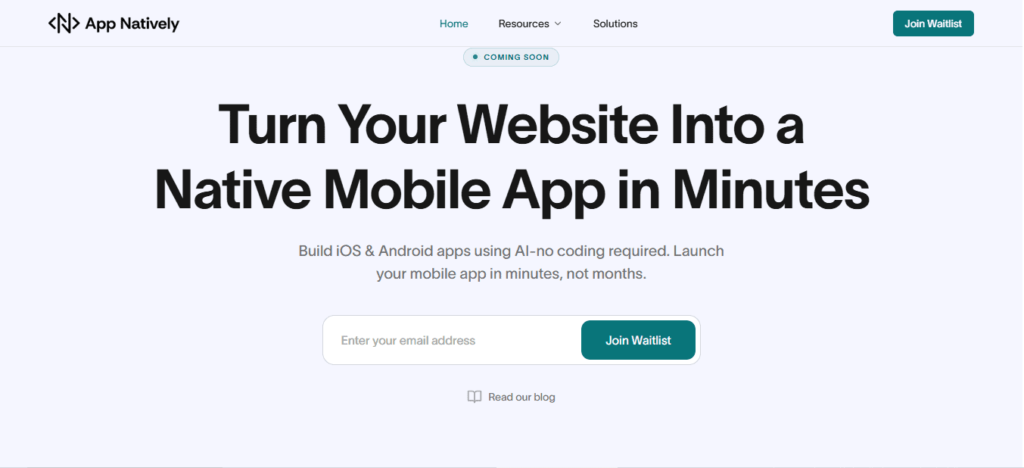
    App Natively is an upcoming no-code app builder designed specifically for founders who don’t want to waste months figuring out complex tools.

    Best No-Code App Builders to Launch an MVP

    While platforms like Bubble or Glide are powerful, they often come with a learning curve that slows down execution, exactly what early-stage startups can’t afford.

    App Natively is being built with one core philosophy: launch faster with less friction. That means a cleaner interface, simplified workflows, and a system focused on helping you go from idea → MVP → users in the shortest possible time.

    What makes it exciting (and why early adopters are paying attention) is its founder-first approach.

    Instead of overwhelming you with endless features, it focuses on what actually matters at the MVP stage—speed, simplicity, and real validation.

    Since it’s currently under development, there’s a unique opportunity here. Early users who join the waitlist are likely to get early access, exclusive perks, and a chance to shape the product itself.

    If you’re planning to build an MVP anytime soon, joining now could give you a serious head start once it goes live.

    👉 The smartest move right now? Get on the waitlist before everyone else catches on.

  • Why Most Directory Apps Fail (And How to Avoid It in 2026)

    Why Most Directory Apps Fail (And How to Avoid It in 2026)

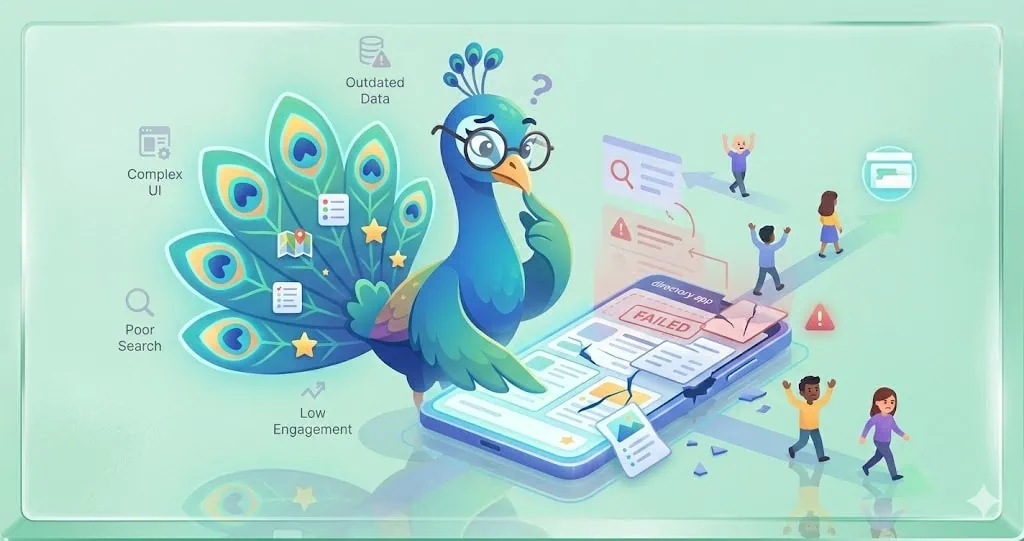
    Most directory apps start with a simple idea: collect useful information, organize it, and help people find what they need quickly. On paper, it sounds almost guaranteed to succeed.

    After all, people are always searching for places, services, communities, or opportunities. But in reality, most directory apps quietly fail, not because the idea is bad, but because execution is much harder than it looks.

    The biggest challenge is that directories depend on momentum. Without enough listings, users don’t find value. Without users, businesses and contributors don’t see a reason to join.

    This creates a classic “empty room” problem and many directory apps never make it past this stage. Others struggle with outdated information, poor user experience, or lack of a clear niche, turning what could have been useful tools into forgotten apps.

    The good news is that these failures are predictable and avoidable. By understanding why most directory apps fail, you can design smarter from the start, focus on real user value, and build something that people actually return to.

    In this post, we’ll break down the most common mistakes and show you how to avoid them while building a directory app that stands out and lasts.

    Convert your directory website into an iOS & Android app in 60 seconds (Join waitlist)

    Why Most Directory Apps Fail (And How to Avoid It

    Most directory apps sound like a great idea — list businesses, connect users, monetize with ads or subscriptions.

    But in reality, most directory apps fail. Here’s why and how you can avoid the same mistakes.

    1. No real problem being solved

    Most directory apps fail because they don’t solve a meaningful problem. Many of them simply list businesses, services, or people without offering anything new or valuable.

    Users already rely on search engines, maps, and social media for recommendations, so a basic directory rarely gives them a reason to switch.

    To avoid this, focus on solving a specific problem for a specific audience.

    A niche directory that offers unique insights, curated recommendations, or specialized features is far more likely to succeed than a general listing platform.

    2. The cold start problem

    Directory apps depend on both users and listings, which creates a difficult starting point.

    Without listings, users have no reason to visit. Without users, businesses see no value in joining. This creates a cycle that prevents growth.

    The best way to overcome this is to start small. Build listings manually, invite businesses directly, and launch in a limited geographic area or niche community. Once you gain traction, you can expand gradually.

    3. Lack of ongoing engagement

    Many directory apps are used once and then forgotten. Unlike social media or messaging apps, directories often lack reasons for users to return regularly. This leads to low retention and eventual failure.

    To prevent this, create ongoing engagement. Features like updates, recommendations, new listings, deals, reviews, and saved favorites can encourage users to come back. The goal is to turn a one-time visit into repeated use.

    4. Targeting too broad an audience

    Trying to serve everyone often leads to serving no one effectively. Broad directories struggle to stand out and compete with established platforms.

    Without a clear focus, the app becomes just another generic listing service.

    Choosing a niche helps you stand out. Whether it’s student services, local food spots, tutors, or freelancers, a focused directory builds stronger user trust and grows faster.

    5. Monetizing too early

    Some directory apps attempt to generate revenue immediately by charging businesses or showing excessive advertisements.

    Without a strong user base, businesses are unlikely to pay, and too many ads can push users away.

    A better approach is to prioritize value first. Build a strong user base, grow listings, and then introduce monetization. When users find value, businesses will naturally become interested.

    6. Poor data quality

    Outdated or incorrect information quickly damages trust. Users expect accurate details, and even a few bad experiences can cause them to abandon the app entirely.

    Maintaining quality data is essential. Regular updates, verified listings, and user feedback help keep information reliable. Trust plays a major role in long-term success.

    7. Poor user experience

    A confusing or slow interface can drive users away immediately. If people cannot quickly find what they need, they will return to alternatives that are easier to use.

    A successful directory focuses on simplicity. Fast search, clean design, and intuitive navigation make the app more useful and encourage users to stay.

    Turn Your Directory Website Into a Powerful Mobile App

    If you’re serious about scaling, a mobile app is no longer optional — it’s essential.

    Why App Natively is a Game-Changer

    App Natively lets you convert your directory website into a fully functional mobile app without writing a single line of code.

    Why Most Directory Apps Fail

    🔥 Why it stands out:

    ✔ Works with powerful directory plugins like Directorist, GeoDirectory, HivePress, Business Directory Plugin, Brilliant Directories, and more
    ✔ No-code solution — launch faster
    ✔ Fully customizable and scalable
    ✔ Native app performance (not just a wrapper)
    ✔ Perfect for both Android & iOS

    Whether you’re just starting or scaling fast, this tool gives you the competitive edge to dominate your niche.

    🚀 Turn your directory into a high-performance mobile app in minute — Join the App Natively waitlist today and be the first to scale smarter.

    Frequently Asked Questions (FAQs)

    Q1: Why do most directory websites fail?

    Most fail due to lack of niche focus, poor user experience, weak monetization, and no sustainable traffic strategy.

    Q2: How do directory apps make money?

    They generate revenue through paid listings, subscriptions, featured placements, and lead generation fees.

    Q3: Is a directory app still profitable in 2026?

    Yes, if you target a niche market and provide real value with strong SEO and monetization strategies.

    Q4: How do I get users for my directory app?

    Start with manual onboarding, SEO, partnerships, and offering free listings initially to build momentum.

    Q5: What is the biggest mistake in building a directory app?

    Trying to build a general directory instead of focusing on a specific niche.

  • 15 Essential Hotel Booking App Features That Drive More Bookings in 2026

    15 Essential Hotel Booking App Features That Drive More Bookings in 2026

    Finding the perfect hotel should be easy, but many booking apps still make it frustrating. Slow loading times, confusing interfaces, and a lack of trust signals often push users to abandon bookings before completion. This directly impacts revenue and user retention.

    The truth is, users expect more than just listings. They want speed, personalization, transparency, and security in one seamless experience. Without the right features, even a well-designed app can fail to convert.

    That’s why understanding the essential hotel booking app features is critical.

    In this blog post, you’ll discover the 15 must-have features that improve user experience, increase conversions, and help your app stand out in a competitive travel market.

    Why Hotel Booking App Features Matter More Than Ever

    The modern traveler is mobile-first and decision-driven. A hotel booking app isn’t just a tool, but it’s a complete experience that influences whether a user books instantly or leaves for a competitor.

    Apps that prioritize usability, speed, and trust see significantly higher conversion rates.

    On the other hand, missing even a single critical feature like real-time availability or secure payment can result in lost bookings.

    Building a high-performing app means combining functionality with user psychology.

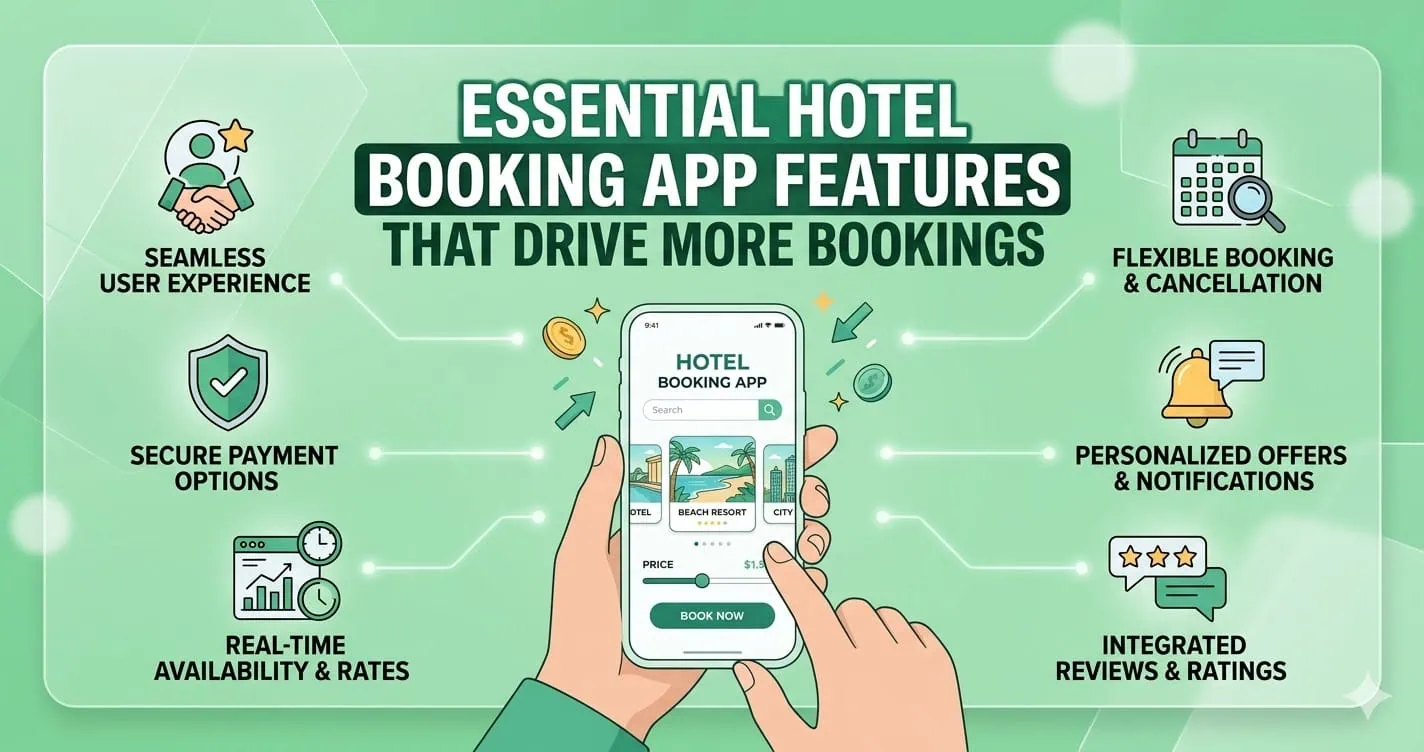
    15 Essential Hotel Booking App Features That Drive More Bookings

    1. User interface that feels effortless

    The design of your app should feel natural from the first tap. Users should not need instructions to navigate. Every element should have a clear purpose and a clear place.

    A clean interface reduces cognitive load. When users do not have to think about where to go next, they focus entirely on choosing the right hotel.

    That simplicity builds confidence and keeps them engaged throughout the process.

    2. Advanced search that saves time

    Search functionality is the backbone of any hotel booking app. Users come with specific needs, and they expect fast results.

    An effective search system allows filtering by price, location, amenities, ratings, and more. It should respond instantly and refine results as users interact with it.

    The faster users find relevant options, the closer they move toward booking.

    3. Real-time availability that builds trust

    Nothing breaks trust faster than outdated information. When users select a hotel only to find it unavailable, the entire experience feels unreliable.

    Real-time availability ensures that listings are accurate and up to date. It removes uncertainty and allows users to book with confidence. This feature directly impacts both trust and conversion rates.

    4. Transparent pricing that reduces drop off

    Hidden costs are one of the biggest reasons users abandon bookings. If the final price is different from what was initially shown, users feel misled.

    Clear pricing that includes taxes and fees upfront creates transparency. When users know exactly what they are paying, they are more likely to complete the transaction without hesitation.

    5. Secure payment system that builds confidence

    The payment stage is where users make a final decision. Any sign of risk can cause them to leave immediately.

    A secure payment system with multiple options gives users flexibility and peace of mind.

    Clear security indicators and a smooth checkout process reassure users that their information is protected.

    6. High-quality images that influence decisions

    Visual content plays a major role in hotel selection. Users want to see what they are paying for before making a commitment.

    High-quality images help users imagine their stay. When visuals are clear and detailed, users feel more confident in their choice, which increases the likelihood of booking.

    7. Reviews that provide social proof

    Users rely heavily on the experiences of others. Reviews help them understand what to expect beyond the photos and descriptions.

    Authentic feedback creates trust. When users see real opinions, both positive and negative, the platform feels more credible.

    This credibility encourages them to move forward with their decision.

    8. Booking management for flexibility

    Plans can change, and users value flexibility. An app should allow easy modification or cancellation of bookings.

    When users know they can adjust their plans if needed, they feel safer making a booking.

    This sense of control increases overall satisfaction and reduces hesitation.

    9. Personalized recommendations that feel relevant

    Personalization transforms a generic experience into a tailored one. By analyzing user behavior, the app can suggest hotels that match preferences.

    Relevant recommendations save time and make users feel understood. This emotional connection increases engagement and encourages repeat bookings.

    10. Map integration for better decision making

    Location plays a crucial role in hotel selection. Users want to understand where a property is in relation to attractions, transport, and key areas.

    Map integration provides a visual context that helps users make informed decisions. It adds clarity and reduces uncertainty, especially for unfamiliar destinations.

    11. Multi-language and currency support

    Travel is global, and your app should reflect that. Supporting multiple languages and currencies makes the platform accessible to a wider audience.

    When users can interact with the app in their preferred language and currency, the experience feels more comfortable and trustworthy.

    12. Wishlist feature that encourages return visits

    Not every user books instantly. Many prefer to explore options and decide later.

    A wishlist feature allows users to save hotels for future consideration.

    This keeps them connected to your app and increases the chances of them returning to complete a booking.

    13. Push notifications that drive engagement

    Timely communication keeps users engaged even when they are not actively using the app.

    Notifications about price drops, special offers, or booking reminders create opportunities for conversions. When used thoughtfully, they bring users back at the right moment.

    14. Loyalty programs that build retention

    Acquiring users is important, but retaining them is even more valuable.

    Loyalty programs reward users for repeat bookings and create long-term relationships.

    When users feel appreciated, they are more likely to choose your app again instead of exploring alternatives.

    15. Fast performance that keeps users engaged

    Speed is not just a technical factor. It is a user experience factor. A slow app creates frustration and increases bounce rates.

    Optimized performance ensures that pages load quickly and interactions feel smooth.

    When users can move through the app without delays, they are more likely to complete bookings.

    Final Thoughts

    A successful hotel booking app is built on understanding user expectations and delivering a seamless experience at every step. Each feature plays a role in shaping how users feel and how they act.

    When your app removes friction, builds trust, and guides decisions naturally, bookings become the outcome rather than the goal. By focusing on these 15 essential hotel booking app features, you position your platform for long-term success in an increasingly competitive travel market.

    Frequently Asked Questions (FAQs)

    What are the most important features of a hotel booking app

    The most important features include advanced search, real-time availability, secure payments, user reviews, and a smooth user interface.

    These elements work together to create a reliable and efficient booking experience.

    How does real-time availability improve bookings?

    Real-time availability ensures that users see accurate room options and pricing. This reduces confusion and builds trust, which increases the likelihood of completing a booking.

    Why is user experience important in hotel booking apps

    User experience determines how easily users can search, compare, and book hotels.

    A smooth experience reduces frustration and encourages users to complete their bookings without leaving the app.

    How do reviews influence booking decisions?

    Reviews provide insights from other travelers. They help users evaluate the quality of a hotel and make informed decisions, which increases confidence and conversions.

    What role does personalization play in booking apps

    Personalization helps users discover relevant hotels based on their preferences. It saves time and creates a more engaging experience, leading to higher booking rates.

    Why is mobile optimization essential for hotel apps

    Most users book hotels through mobile devices. A well-optimized mobile app ensures smooth navigation, fast loading, and better usability, which directly impacts conversions.

    What payment options should a hotel booking app include

    A hotel booking app should support multiple payment methods, such as cards and digital wallets. Offering flexibility makes it easier for users to complete transactions.

    How can a hotel booking app increase user retention

    Features like loyalty programs, personalized recommendations, and seamless booking management encourage users to return and book again.

    What makes a hotel booking app stand out from competitors

    An app stands out when it combines speed, simplicity, trust, and personalization. These elements create a superior experience that users prefer over alternatives.

    How does app performance affect bookings?

    Faster performance reduces waiting time and frustration. When users can navigate quickly and smoothly, they are more likely to complete their bookings.

  • Top Tools to Build Apps Under $500

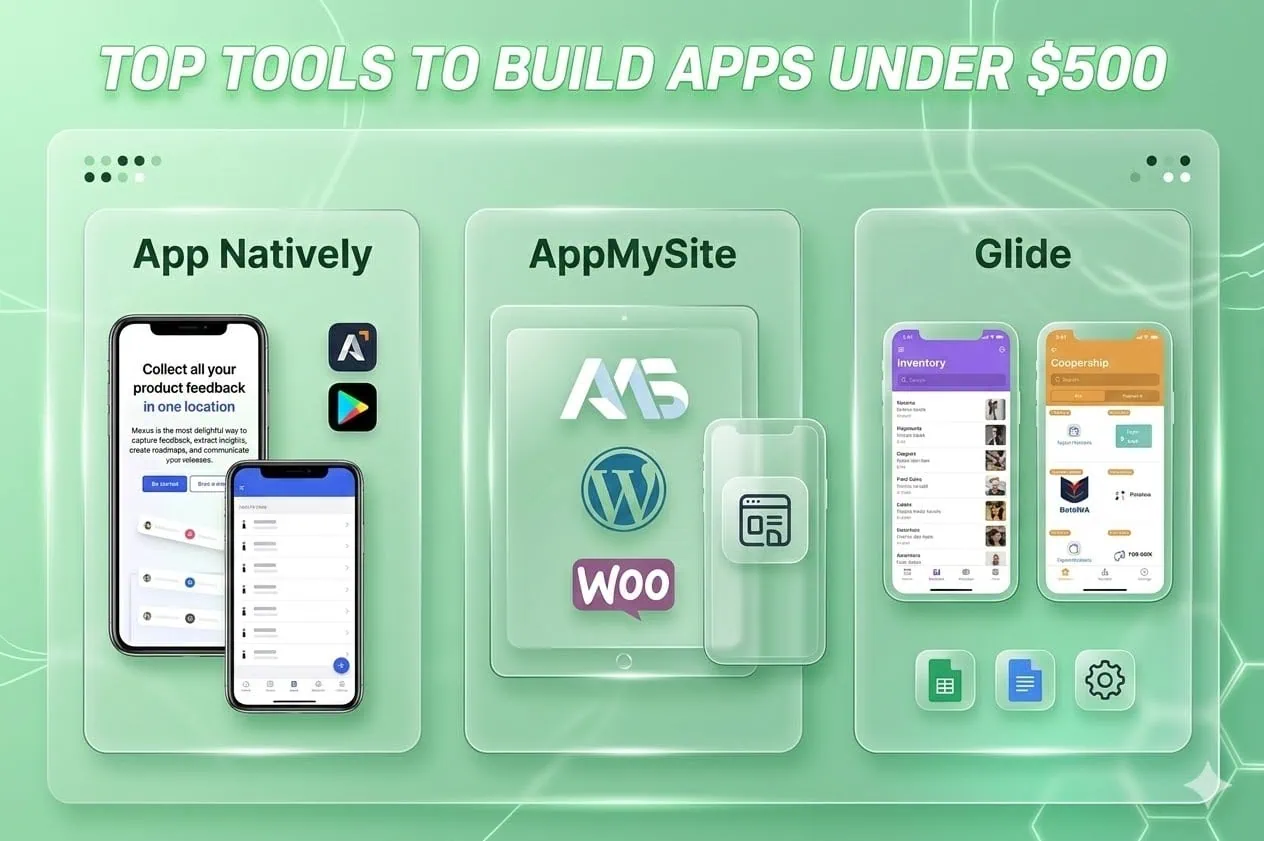
    Top Tools to Build Apps Under $500

    Building an app used to require thousands or even tens of thousands of dollars. You needed a development team, designers, backend engineers, and months of development time. Today, that reality has changed dramatically.

    With the rise of no-code, low-code, and cloud platforms and AI development tools, it’s now possible for founders, students, and creators to launch real applications with a budget under $500.

    In this blog post, we’ll explore the top tools to build apps under $500, helping you launch an MVP or real product without overspending.

    Why Building Apps Is Cheaper Than Ever

    Several major trends have reduced the cost of building software:

    1. No-code and low-code platforms

    These tools allow you to build complex apps with drag-and-drop interfaces instead of writing thousands of lines of code.

    2. Generous free tiers from cloud platforms

    Modern hosting platforms offer free or low-cost infrastructure.

    3. AI-powered coding assistants

    AI tools help developers generate code, debug problems, and build features faster.

    4. Open-source backends and APIs

    Developers can reuse powerful tools instead of building everything from scratch.

    Because of these innovations, you can build a functional MVP using tools that cost $0–$50 per month.

    What You Actually Need to Build an App

    Most apps are made up of the same core components.

    1. Frontend (User Interface)

    This is what users interact with—screens, buttons, dashboards, etc.

    2. Backend

    Handles business logic, databases, and APIs.

    3. Authentication

    Allows users to sign up and log in.

    4. Hosting

    Servers that run your application.

    5. Payment Integration

    Optional but needed for SaaS or paid apps.

    6. Analytics

    Helps track user behavior and performance.

    The tools below help you build all these components at a low cost.

    3 Best No-Code Tools to Build Apps Cheaply

    No-code platforms have made it possible to build fully functional apps without writing a single line of code.

    Whether you’re launching an MVP, a startup idea, or a business app, these tools can help you create apps quickly and affordably.

    Below are some of the best no-code platforms that make app development accessible even with a limited budget.

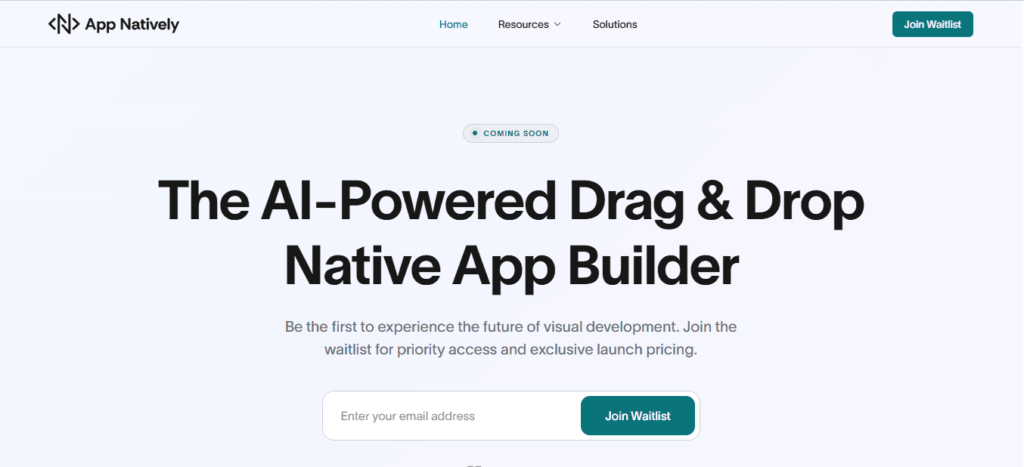
    1. App Natively (Join the Early Access Waitlist)

    If you want to build real native mobile apps without spending thousands on development, App Natively is a platform you should definitely keep an eye on.

    Top Tools to Build Apps Under $500

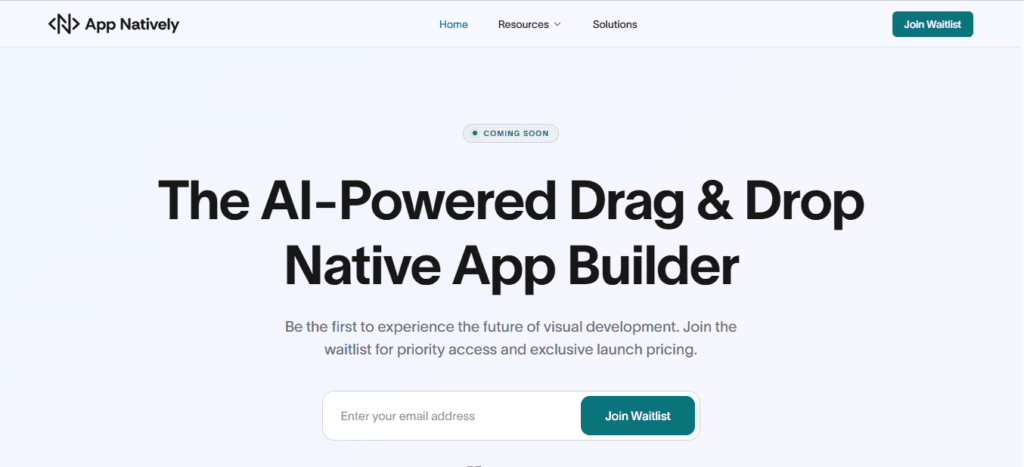
    App Natively is an upcoming no-code app builder designed to make native app development affordable and accessible for everyone—from indie founders and startups to small businesses and creators.

    Unlike many platforms that only generate web apps or limited mobile wrappers, App Natively focuses on helping users build true native iOS and Android apps with powerful functionality, while keeping the process simple and beginner-friendly.

    Why App Natively is Different

    App Natively is being built with one goal in mind: make professional app development possible under a small budget.

    Key features include

    • Build native iOS and Android apps
    • Intuitive drag-and-drop app builder
    • Designed for speed and simplicity
    • Powerful features for startups and MVPs
    • Extremely affordable pricing model

    The platform is currently under construction, and the team is preparing for an early launch.

    Get Early Access Before Public Launch

    Right now, a limited number of users can join the early access waitlist.

    Joining the waitlist means you’ll:

    • Get early access before public release
    • Receive exclusive launch updates
    • Be among the first creators building apps with App Natively
    • Potentially get special early-user pricing

    If you’re planning to build an app soon, joining the waitlist is a smart move so you can secure early access once the platform goes live.

    👉 Join the App Natively Waitlist Today

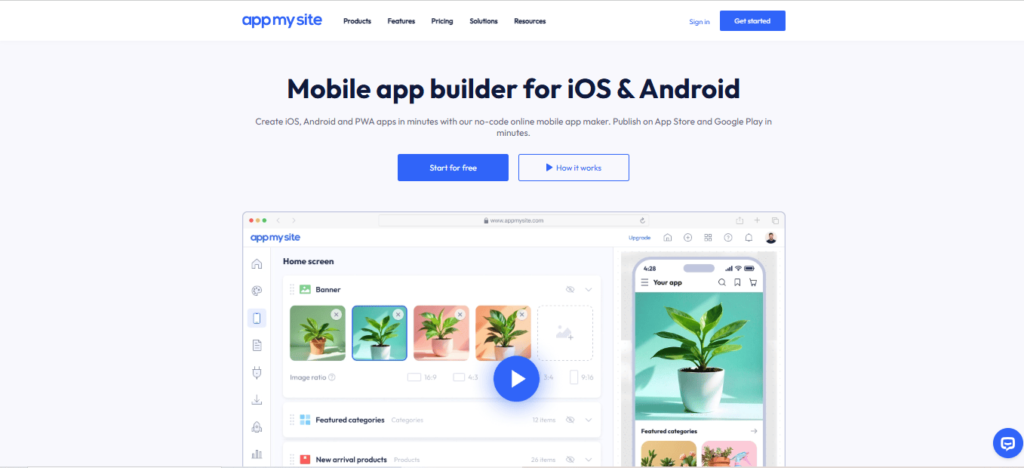
    2. AppMySite

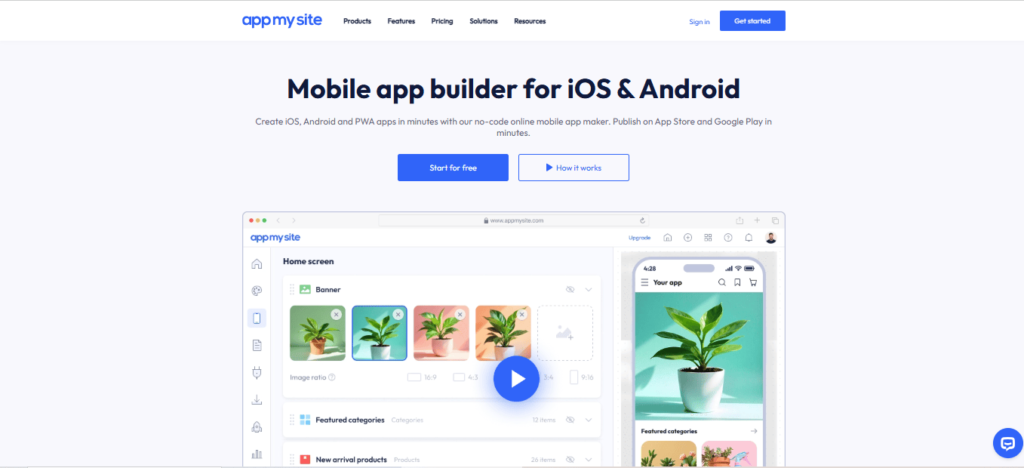
    AppMySite is a popular no-code platform that allows users to convert websites into mobile apps quickly.

    Top Tools to Build Apps Under $500

    It is widely used by businesses that already have a website and want to launch a mobile app version without hiring developers.

    Key features:

    • Convert WordPress websites into apps
    • Real-time app preview
    • Push notifications
    • Google Play and App Store publishing support

    Pricing typically starts with affordable monthly plans, making it a practical option for small businesses and content creators.

    3. Glide

    Glide is another well-known no-code platform that allows users to build apps using spreadsheets as the backend.

    Top Tools to Build Apps Under $500

    It’s especially popular for quickly creating internal tools, dashboards, and simple mobile apps.

    Key features include

    • Build apps from Google Sheets or Airtable
    • Drag-and-drop interface
    • Fast deployment
    • Built-in integrations

    Glide is ideal for entrepreneurs who want to launch simple apps or prototypes quickly without complex development.

    Pro Tip:
    If you’re planning to launch a mobile startup or MVP on a tight budget, combining no-code tools with early user feedback is often the fastest way to validate your idea before investing heavily in development.

    Cheap Backend Tools (Under $50/month)

    Backend services handle your database, user authentication, and APIs.

    Firebase

    Firebase provides a complete backend-as-a-service platform.

    Features include:

    • authentication
    • real-time database
    • hosting
    • analytics
    • push notifications

    Cost:
    Free tier available with pay-as-you-go pricing.

    Supabase

    Supabase is an open-source alternative to Firebase built on PostgreSQL.

    Key features:

    • PostgreSQL database
    • built-in authentication
    • file storage
    • automatic APIs

    Cost:
    A free tier is available, then about $25 per month.

    Cheap Hosting Platforms

    Hosting is where your app lives on the internet.

    1. Vercel

    Vercel is extremely popular for deploying modern web apps.

    Key benefits:

    • simple deployment
    • fast performance
    • free hosting for small projects

    Cost:
    Free → $20 per month.

    2. Render

    Render is another easy hosting platform for web services and backends.

    Key features:

    • auto deployment
    • easy backend hosting
    • simple scaling

    Cost:
    Free tier available, then about $19 per month.

    AI Tools That Make Development Faster

    AI tools significantly reduce development time.

    i. GitHub Copilot

    GitHub Copilot acts like an AI pair programmer.

    It can:

    • generate code
    • suggest solutions
    • speed up development

    Cost:
    $10 per month.

    ii. ChatGPT

    ChatGPT helps with:

    • writing code
    • debugging issues
    • explaining technical concepts
    • generating UI ideas

    Cost:
    Free version available, paid plans around $20 per month.

    Final Thoughts

    The barrier to building apps has never been lower.

    With the right stack of no-code platforms, cloud tools, and AI assistants, anyone can launch an app for under $500.

    Instead of spending months developing complex systems, creators can focus on validating ideas, attracting users, and growing their product.

    If you have an idea for an app, there has never been a better time to start building.

    Frequently Asked Questions (FAQs)

    Can I really build an app for under $500?

    Yes. Many founders launch MVPs using free tiers and low-cost platforms.

    With the right tools, you can build and test your idea without large development costs.

    What is the cheapest way to build an app?

    Using no-code tools combined with free hosting and backend services is usually the cheapest approach.

    Do I need coding skills to build an app?

    Not necessarily. Platforms like App Natively, Glide, and Adalo allow beginners to build apps without programming knowledge.

    Are no-code apps scalable?

    Some are. Platforms like FlutterFlow and Bubble can scale reasonably well, but large applications may eventually require custom development.

    How long does it take to build an MVP?

    With modern tools, a simple MVP can be built in 1–4 weeks, depending on complexity.

  • Best Free Mobile App Builders in 2026 (Create an App Without Coding)

    Best Free Mobile App Builders in 2026 (Create an App Without Coding)

    Building a mobile app no longer requires coding skills or a big budget.

    Today, powerful free mobile app builders allow anyone to create professional Android and iOS apps using simple drag-and-drop no-code platforms.

    Whether you’re a startup founder, small business owner, or creator, these tools make app development fast, affordable, and beginner-friendly.

    In this post, we’ll explore the best free no-code app builders that help you design, customize, and launch your mobile app without writing a single line of code.

    So, without further ado, let’s dig deeper.

    Why No-Code Mobile App Builders Are Booming, Nowadays

    No-code mobile app builders are growing rapidly because they make app development faster, cheaper, and accessible to everyone.

    Instead of writing complex code, users can build apps using visual tools like drag-and-drop interfaces and ready-made templates, making development much easier for beginners.

    1. No coding skills required

    One of the biggest reasons for the rise of no-code platforms is accessibility.

    Entrepreneurs, marketers, and small business owners can create apps without learning programming languages, lowering the barrier to entry in app development.

    2. Faster app development

    Traditional mobile app development can take months, but no-code tools allow developers to build and launch apps much faster.

    Some platforms can reduce development time by up to 90%, enabling quick prototyping and faster product launches.

    3. Lower development costs

    Hiring developers and maintaining custom code can be expensive. No-code platforms significantly reduce costs because businesses can build and manage apps without large development teams.

    4. Cross-platform development

    Many no-code builders allow you to create apps that run on both Android and iOS from a single project.

    This saves time and resources compared to building separate apps for each platform.

    5. Rapid testing and innovation

    Startups and businesses can quickly build MVPs (Minimum Viable Products), test them with users, and improve features based on feedback.

    This flexibility helps companies innovate faster and reduce risk.

    What to Look for in a Free Mobile App Builder

    Choosing the right free mobile app builder is important if you want to create a functional app without coding.

    The best platforms provide essential tools that make app development simple, flexible, and scalable.

    Easy drag-and-drop interface

    A good no-code app builder should have an intuitive visual editor that allows you to design your app using drag-and-drop components.

    This makes it easy to add buttons, images, forms, and layouts without writing code.

    Cross-platform support

    Look for a platform that lets you build apps for both Android and iOS from a single project.

    This saves time and ensures your app reaches a wider audience without building separate versions.

    Templates and customization

    The best app builders provide pre-designed templates and customizable components so you can quickly design professional apps while still tailoring them to your brand or idea.

    Integrations and data connections

    A strong no-code platform should allow integrations with tools like Google Sheets, databases, payment systems, and other apps, helping your mobile app handle real-world tasks and data.

    App publishing options

    Check if the builder allows you to publish apps to major app stores like Google Play or the Apple App Store.

    This feature is crucial if you want your app to reach a larger audience.

    Scalability and Upgrade Options

    Free plans are great for testing ideas or building an MVP, but you should choose a platform that offers upgrade options when your app grows.

    3 Best Free Mobile App Builders (No Coding Needed)

    If you want to build a mobile app without coding, choosing the right platform can save you time, money, and frustration.

    Many business owners struggle with expensive developers, complex tools, or app builders that limit features behind expensive plans.

    Below are three powerful mobile app builders with free trials that help you turn your idea into a real app faster.

    1. App Natively—The Upcoming Powerful Native App Builder (Join the Waitlist)

    Many app builders promise simplicity but quickly become expensive, complicated, or limited when you try to launch a real app.

    This is the problem App Natively is designed to solve.

    Best Free Mobile App Builders

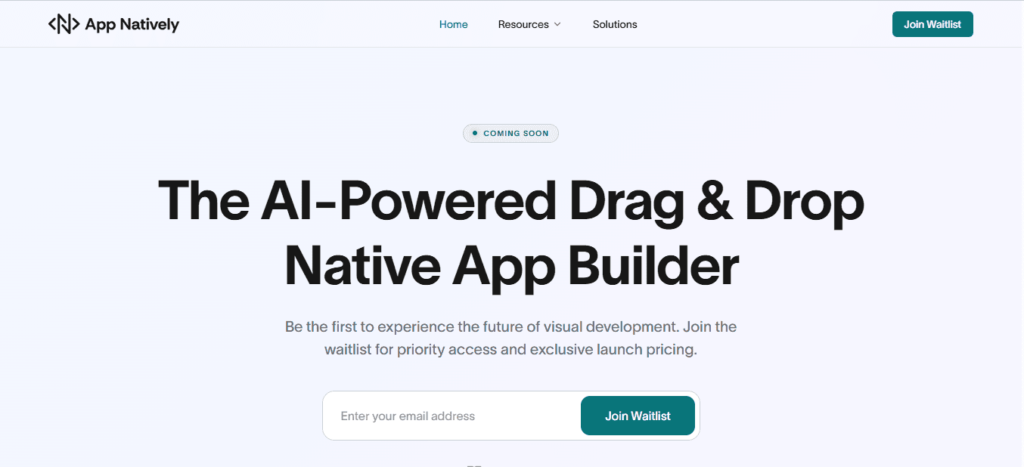
    App Natively is an upcoming no-code mobile app builder that will allow users to create fully native Android and iOS apps without writing a single line of code.

    Unlike many platforms that rely on basic web-view apps, App Natively focuses on true native performance, better user experience, and deeper mobile capabilities.

    The goal is simple:

    Give entrepreneurs, startups, creators, and businesses the power to build high-performance mobile apps at a much lower cost.

    Key highlights (coming soon):

    • Build native Android and iOS apps
    • Beginner-friendly no-code builder
    • Powerful customization and integrations
    • Much lower pricing compared to most app builders ( Free version available)
    • Designed for speed, performance, and scalability
    • And many more.

    N.B. App Natively is currently under development, but it’s being built to solve the biggest pain points people face with existing app builders.

    👉 Join the waitlist now to get early access when it launches.

    2. AppMySite—Fast Web-View App Builder for Websites

    AppMySite is a popular option for people who already have a website (especially WordPress) and want to quickly convert it into a mobile app.

    Best Free Mobile App Builders

    Instead of building an app from scratch, AppMySite typically creates web-view apps, meaning the mobile app mainly displays the content of your website inside the app interface.

    This approach works well if your goal is simply to turn your website into an app quickly.

    Key features include:

    • Convert websites into Android and iOS apps
    • WordPress and WooCommerce integrations
    • Simple app customization tools
    • Free trial to test the platform

    However, web-view apps may have performance and flexibility limitations compared to fully native apps, especially when building more advanced mobile experiences.

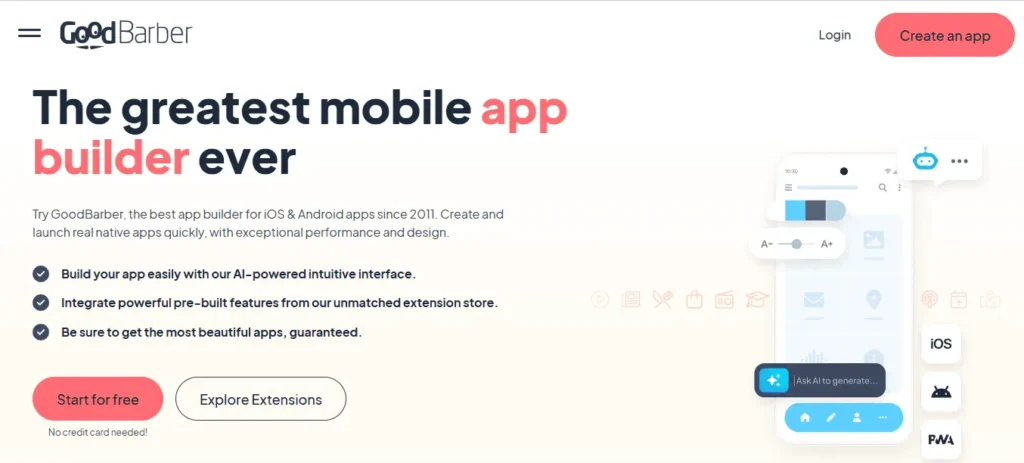
    3. GoodBarber – Native App Builder with Advanced Features

    GoodBarber is a well-known no-code app builder that offers tools for creating native mobile apps for Android and iOS.

    Best Free Mobile App Builders

    It provides a variety of design options and modules, making it suitable for content apps, e-commerce apps, and business apps.

    Key features include:

    • Native app development for Android and iOS
    • Advanced design customization
    • Built-in CMS and plugins
    • Monetization features and integrations
    • Free trial available

    While GoodBarber offers powerful features, some users find the pricing structure and learning curve challenging, especially for small businesses or creators just starting out.

    Quick Summary

    • App Natively—Upcoming powerful native app builder at affordable pricing (Join the waitlist)
    • AppMySite—Best for turning websites into web-view apps quickly
    • GoodBarber—Native app builder with usable features

    Final Thoughts

    Building a mobile app no longer requires a large budget or advanced coding skills.

    With modern no-code mobile app builders, entrepreneurs, creators, and businesses can turn their ideas into real apps faster than ever before.

    The key is choosing a platform that fits your goals, budget, and the type of app experience you want to deliver.

    Tools like AppMySite and GoodBarber offer solid solutions for quickly launching apps, whether through web-view conversions or native app development.

    However, many users still face common challenges such as high pricing, limited flexibility, or complex setups.

    This is exactly where App Natively aims to make a difference. Currently under development, it’s being built to provide a powerful yet affordable way to create true native Android and iOS apps without coding.

    The goal is simple: make professional mobile app development more accessible, faster, and cost-effective for everyone.

    🚀 If you want early access and updates when it launches, joining the waitlist for App Natively could give you a head start in building your next mobile app.

    Frequently Asked Questions (FAQs)

    Can I build a mobile app for free?

    Yes! In 2026, it’s entirely possible to build a mobile app for free using no-code app builders.

    Many platforms offer free plans or trials that let you design, customize, and even test your app without paying a dime.

    However, it’s important to know the limitations:

    • Feature restrictions: Some advanced integrations, monetization tools, or native capabilities may only be available in paid plans.
    • Publishing limits: Free plans often limit publishing to app stores or include platform branding in your app.
    • Storage and performance caps: Free apps may have limited storage, API calls, or users compared to paid versions.

    For example:

    • AppMySite lets you quickly turn a website into a web-view app with a free trial.
    • GoodBarber provides native app features, but full functionality requires upgrading.
    • App Natively (coming soon) promises fully native Android and iOS apps at much lower costs, addressing the main pain points of existing platforms.

    Do no-code apps get approved on app stores?

    Yes! No-code apps can absolutely be approved on both Google Play and the Apple App Store, as long as they meet the platform guidelines.

    App stores don’t care whether an app was built with code or no-code tools—they focus on quality, functionality, and compliance.

    Here’s what matters:

    1. Native vs Web-View Apps
      • Apps built with native capabilities (like Android and iOS features) tend to get approved more easily.
      • Web-view apps (apps that mainly display a website inside an app) can be approved, but sometimes face stricter review if the app doesn’t offer additional value beyond the website.
    2. Content and Functionality
      • Your app must be functional, easy to navigate, and free of bugs.
      • Apps with incomplete features, placeholder content, or repeated errors may get rejected.
    3. Compliance with Store Guidelines
      • Follow rules about privacy policies, in-app purchases, ads, and user data.
      • Apple and Google both provide detailed developer guidelines to ensure your app is store-ready.

    Why App Natively makes this easier:

    Unlike some web-view app builders, App Natively will let you build fully native Android and iOS apps, improving performance, usability, and the chance of approval.

    You’ll avoid common pitfalls like slow web views, limited features, or app rejection due to lack of native functionality.

    Which free app builder is best for beginners?

    For beginners who want to build a mobile app without coding, the best free app builder is one that’s easy to use, beginner‑friendly, and lets you see real results quickly.

    Here’s how the three options stack up:

    App Natively — Best Future Native App Builder for Beginners

    Why it’s great:

    • Designed to be simple and intuitive even if you’ve never built an app before
    • Lets you build fully native Android and iOS apps — meaning better performance and user experience
    • Focused on beginner‑friendly workflows and clear visual tools
    • Planned to be lower cost than most competitors

    👉 App Natively is currently under development and growing with feedback from early users.

    You can join the waitlist to be one of the first to use it — perfect if you want a powerful app builder that’s easy to learn.

    Can I make money with a no-code mobile app?

    Yes! No-code apps can earn money through ads, in-app purchases, subscriptions, or e-commerce.

    Using a native app builder like App Natively gives you better performance and user experience than web-view apps, making it easier to retain users and monetize effectively.

  • Best No-Code App Builders for Startups in 2026

    Best No-Code App Builders for Startups in 2026

    Startups need to move fast, but building an app from scratch is expensive and time-consuming.

    No-code app builders let founders create fully functional apps without writing a single line of code.

    They speed up product launches, reduce development costs, and make it easier to test ideas in the market.

    In this blog post, we’ll cover the best no-code app builders for startups, comparing features, pricing, and usability, so you can pick the right platform to launch your app quickly and efficiently.

    3 Best No-Code App Builders for Startups

    Turning your startup idea into a real app doesn’t have to take months or a team of developers.

    With the right no-code platform, you can launch faster, smarter, and without breaking the bank.

    1. App Natively—The Future-Ready No-Code App Builder for Startups

    Startups often struggle to turn ideas into reality quickly without a technical team.

    App Natively is designed specifically for founders like you: a no-code, AI-assisted platform that lets you build web and mobile apps without writing a single line of code.

    Unlike other tools, App Natively combines simplicity, flexibility, and advanced features—all at a price point designed for startups.

    Best No-Code App Builders for Startups

    With App Natively, you can create fully functional apps complete with login systems, databases, user dashboards, and custom workflows.

    What sets us apart is not just ease of use but also exclusive features like built-in analytics, real-time updates, and seamless integrations with popular tools, features often found only in expensive enterprise platforms.

    Even though we are in the final stages of development, you can join our waitlist today to secure early access.

    As a lead on our waitlist, you’ll get priority onboarding, early-bird pricing, and sneak peeks of new features.

    Our mission is simple: empower startups to launch faster, smarter, and cheaper than ever before.

    Why join the waitlist now?

    • Get access to our full-featured platform before official release.
    • Lock in our affordable pricing, significantly lower than competitors with similar capabilities.
    • Be part of a founder community shaping the platform with feedback and ideas.

    This isn’t just another no-code tool. Instead, it’s your startup’s launchpad, combining power, simplicity, and value.

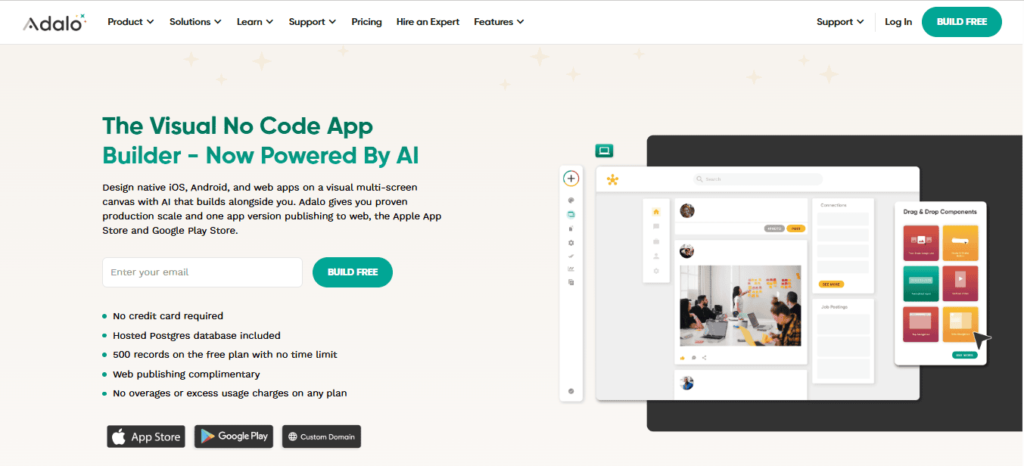
    2. Adalo – Visual Mobile App Builder

    If your startup needs a mobile-first solution, Adalo remains a strong contender.

    Adalo enables you to design and deploy native iOS and Android apps using an intuitive drag-and-drop interface.

    Best No-Code App Builders for Startups

    You can connect databases, set up workflows, and even publish directly to app stores without relying on a developer.

    It’s perfect for MVPs, internal tools, or consumer-facing apps, especially if you want visual feedback while building.

    Its built-in database and workflows let startups rapidly prototype and iterate, which is essential for early-stage product testing.

    While Adalo offers convenience, App Natively is designed to offer all of these features and more, at a fraction of the cost, plus with some exclusive early-access features we’re preparing for launch.

    3. Bubble—Powerful Web & SaaS App Builder

    For startups aiming to build complex web applications or SaaS platforms, Bubble is unmatched in flexibility.

    It allows you to create sophisticated web apps with custom workflows, multi-user functionality, integrations, and scalable databases, all without coding.

    Best No-Code App Builders for Startups

    Bubble is ideal for founders who need full control over app logic, but it comes with a steeper learning curve and higher cost for startups just getting started.

    Why App Natively is the Smart Choice for Startups

    Building an app doesn’t have to drain your budget or require months of coding. App Natively gives you:

    • Full no-code app creation for mobile and web.
    • Exclusive startup-focused features not available in mainstream tools.
    • Affordable pricing that makes enterprise-level capabilities accessible.
    • Early access and waitlist perks, including priority support and feature previews.

    Startups that join our waitlist today will not only launch faster but also save significantly compared to competitors, all while getting access to features others charge extra for.

    Don’t wait to turn your idea into reality. Join the App Natively waitlist today and be among the first to experience the next generation of no-code app building.

  • Free App Idea Validation Checklist

    Free App Idea Validation Checklist

    Before you spend time building an app, make sure it’s worth building.

    Most apps fail not because of bad design or coding, but because there’s no real demand.

    An app idea validation checklist helps you test your concept early, confirm there’s a real problem to solve, and ensure people actually want your solution.

    In this article, we’ll provide a free app idea validation checklist to help you test your concept, confirm real user demand, and avoid building something people don’t need.

    By validating first, you can save time, reduce risk, and move forward with confidence.

    What Is App Idea Validation?

    App idea validation is the process of testing whether your app solves a genuine problem and whether people actually want your solution.

    Instead of guessing, you collect evidence.

    Validation helps you answer questions like

    • Does this problem really exist?
    • Do enough people care about it?
    • Are users already paying for alternatives?
    • Will people use my app?

    Think of it as running small experiments before making big investments.

    You’re not building the full product yet; you’re testing assumptions.

    The Free App Idea Validation Checklist

    Before you invest time, money, or energy into building your app, use this simple checklist to validate your idea.

    Each step helps you confirm there’s a real problem, real users, and real demand so you can build with confidence instead of guesswork.

    Step 1: Clearly define the problem

    Every successful app starts with a problem, not a feature.

    Instead of saying:
    “I want to build a fitness tracking app.”

    Say:
    “Busy students struggle to stay consistent with workouts because they don’t have quick, guided routines.”

    The second example is specific and actionable.

    Ask yourself:

    • What problem am I solving?
    • Who has this problem?
    • How often does it happen?
    • Why is it frustrating?

    If you can’t clearly explain the problem in one sentence, your idea isn’t ready yet.

    Tip: Talk to at least 5–10 people who experience the problem. Listen more than you talk.

    Step 2: Identify your target audience

    Not everyone is your user.

    Trying to build for “everyone” usually means appealing to no one.

    Be specific.

    Define:

    • Age range
    • Interests
    • Behaviors
    • Goals
    • Pain points

    For example:

    Instead of:
    “People who want to learn languages”

    Try:
    “High school students who want quick daily vocabulary practice”

    The clearer your audience, the easier everything becomes —marketing,design, features, and messaging.

    Step 3: Research the market and competitors

    If similar apps already exist, that’s actually good news.

    Competition proves demand.

    Search app stores and platforms like Product Hunt to see what’s already out there.

    Ask:

    • What apps solve this problem now?
    • What do users love about them?
    • What do users complain about?
    • What’s missing?

    Read reviews carefully. They’re goldmines of insights.

    Negative reviews often reveal exactly what you should build better.

    Don’t copy competitors. Improve on them.

    Step 4: Validate demand with real people

    Now it’s time to test whether people truly care.

    Run surveys

    Use tools like Google Forms, Typeform, or SurveyMonkey to ask questions.

    Examples:

    • How do you currently solve this problem?
    • How frustrating is it (1–10)?
    • Would you try an app that solves this?
    • Would you pay for it?

    Conduct interviews

    Talk directly to users. This is even better than surveys.

    You’ll uncover hidden insights that numbers can’t show.

    Check search interest

    Use Google Trends to see if people actively search for your idea.

    More searches = more demand.

    If nobody seems interested, don’t force it. Consider pivoting.

    Step 5: Create a simple prototype or mockup

    Before building a real app, show people what it might look like.

    You don’t need code yet.

    Use tools like Figma or Canva to create:

    • Screens
    • Wireframes
    • User flows

    Then ask:

    • Does this make sense?
    • Would you use this?
    • What’s confusing?

    A rough design is enough. The goal is feedback, not perfection.

    Step 6: Build a landing page

    A landing page is one of the fastest ways to validate demand.

    Explain:

    • The problem
    • Your solution
    • Benefits
    • Call-to-action (Join waitlist / Sign up)

    Then drive traffic and see if people sign up.

    If nobody joins, your idea or messaging needs work.

    If lots of people sign up, that’s strong validation.

    Collect emails. These early supporters can become your first users.

    Step 7: Build a simple MVP

    Now and only now should you start building.

    But don’t build everything.

    Create an MVP (Minimum Viable Product).

    That means:

    • Only core features
    • No extras
    • Quick launch

    For example:

    If your idea has 10 features, build only the top 2 or 3.

    The goal is learning, not perfection.

    Launch fast. Test fast. Improve fast.

    Step 8: Track real usage

    After launch, watch what users actually do.

    Use analytics to measure:

    • Sign-ups
    • Daily users
    • Retention
    • Feature usage
    • Drop-offs

    Data tells the truth.

    If users aren’t coming back, something needs fixing.

    Listen to behavior more than opinions.

    Step 9: Gather feedback and iterate

    Your first version won’t be perfect. That’s normal.

    Ask users:

    • What do you like most?
    • What’s confusing?
    • What would you improve?
    • Would you recommend it?

    Then improve step-by-step.

    Great apps evolve through constant feedback.

    Final Thoughts

    Building an app without validating your idea first is a gamble, and most gambles don’t pay off.

    The smartest way to launch successfully isn’t by adding more features or rushing into development, but by confirming there’s a real problem and real users who actually want your solution.

    This free app idea validation checklist gives you a clear, practical path to test your concept before you invest serious time or money.

    By defining the problem, understanding your audience, researching competitors, gathering feedback, and starting with a simple MVP, you dramatically reduce risk and increase your chances of success.

  • Push Notifications for Online Stores

    Push Notifications for Online Stores

    Running an online store is exciting, but keeping customers engaged after they leave your website is a constant struggle.

    Shoppers browse, add products to their carts, and then disappear without completing their purchase.

    Emails go unopened, social media posts get lost in crowded feeds, and your promotions fail to reach the right audience at the right time.

    Push notifications solve this problem by delivering instant, personalized messages directly to your customers’ devices.

    Whether it’s a flash sale alert, back in stock update, or abandoned cart reminder, push notifications help you reconnect with shoppers in real time.

    They cut through the noise and bring customers back to your store with a single click.

    For online stores looking to increase conversions, boost repeat purchases, and build stronger customer relationships, push notifications are no longer optional.

    They are a powerful, direct communication channel that keeps your brand visible, relevant, and ready to convert whenever your customers are.

    What Are Push Notifications?

    Push notifications are short, clickable messages sent directly to a user’s device either through a mobile app or a web browser.

    Unlike email or social media posts, they appear instantly on the user’s screen, even when the user is not actively browsing your store.

    There are three primary types:

    • Mobile app push notifications
    • Web push notifications (browser-based)
    • Desktop push notifications

    Their biggest advantage lies in visibility and immediacy. They don’t compete with inbox clutter the way email does, and they don’t rely on algorithmic feeds like social platforms.

    Types of Push Notification Channels for eCommerce

    Choosing the right push notification channel is not just a technical decision; rather, it directly impacts reach, engagement, and revenue.

    Different channels serve different stages of the customer journey, and successful online stores often combine multiple channels for maximum impact.

    Below are the primary push notification channels used in ecommerce.

    1. Mobile app push notifications

    Mobile app push notifications are messages sent directly to users who have installed your e-commerce app. These appear on the lock screen, in the notification center, or as banners inside the app.

    This channel offers the highest level of personalization and engagement because users have already demonstrated strong intent by downloading the app.

    Brands can send behavioral triggers like cart abandonment alerts, price drops, loyalty rewards, and flash sales.

    Since mobile app users are often repeat customers, this channel typically delivers higher conversion rates and customer lifetime value.

    Best for:
    High-intent shoppers, loyalty members, repeat buyers, and personalized offers.

    2. Web push notifications (Browser-Based)

    Web push notifications are sent through browsers like Chrome, Firefox, Edge, or Safari after users grant permission.

    Unlike app notifications, users do not need to install a mobile application.

    This makes web push ideal for ecommerce brands that do not have a mobile app or want broader reach.

    These notifications can be sent to both desktop and mobile browser users, bringing shoppers back even when they are not actively browsing the website.

    Web push is especially powerful for flash sales, back-in-stock alerts, and limited-time promotions.

    Because subscription is quick and frictionless, opt-in rates can be higher compared to app installs.

    Best for:
    Stores without apps, quick promotional alerts, and re-engaging website visitors.

    3. Desktop push notifications

    Desktop push notifications are a subset of web push but specifically target users on laptops and desktop computers.

    These appear in the system notification area, even when the browser is minimized.

    For B2B ecommerce or stores targeting office-hour shoppers, desktop notifications can be highly effective.

    They are particularly useful for time-sensitive offers, webinar invites, or product launches aimed at professionals.

    Since desktop usage often correlates with research-oriented buying behavior, these notifications can help move users from consideration to conversion.

    Best for:
    Work-hour promotions, B2B ecommerce, high-ticket product launches.

    4. Progressive Web App (PWA) push notifications

    Progressive Web Apps combine the accessibility of web push with an app-like experience.

    Users can install the website on their device home screen without downloading from an app store.

    PWA push notifications offer deeper engagement than traditional web push because they mimic native app functionality.

    For ecommerce brands that want app-level interaction without the cost of full native development, this channel provides a powerful middle ground.

    Best for:
    Mid-sized ecommerce brands seeking app-like engagement without building a native app.

    5. In-app push notifications

    In-app notifications appear while users are actively using the app. Unlike traditional push notifications, these do not show on the lock screen but instead appear inside the application interface.

    These are highly effective for guiding users through promotions, recommending products, announcing loyalty milestones, or encouraging upsells during browsing sessions.

    Because they engage customers during active sessions, in-app notifications help increase average order value and improve the shopping experience.

    Best for:
    Upselling, cross-selling, onboarding flows, loyalty engagement.

    6. Wearable device push notifications

    With the rise of smartwatches and connected devices, ecommerce brands can now reach users through wearable push notifications.

    These appear on devices like smartwatches and are designed for quick-glance engagement.

    Although limited in text length, wearable notifications are effective for flash sales, delivery alerts, and limited-time deals where immediacy is crucial.

    Best for:
    Urgent offers, delivery updates, and highly time-sensitive promotions.

    Why Push Notifications Matter for Online Retail

    In online retail, attention is currency. Customers are constantly exposed to ads, emails, and social content competing for the same limited focus.

    Push notifications cut through that noise by delivering real-time, direct messages to a customer’s device without relying on algorithms or inbox placement.

    When used strategically, push notifications become one of the most powerful growth tools for ecommerce brands.

    They influence buying decisions, recover lost revenue, and increase long-term customer value.

    They capture immediate attention

    Unlike email campaigns that may sit unread for hours, push notifications appear instantly on a user’s screen.

    Whether it’s a flash sale or a restock alert, the immediacy creates urgency and drives quick action.

    For online retail, timing often determines revenue. A notification sent at the right moment can turn browsing intent into a completed purchase within minutes.

    They reduce cart abandonment

    Cart abandonment is one of the biggest revenue leaks in ecommerce.

    Many shoppers add items to their cart but leave before completing checkout. Push notifications allow retailers to bring those customers back with timely reminders.

    A simple message like “Your items are almost gone” or “Complete your purchase and get 10% off” can significantly recover otherwise lost sales.

    Because the message is behavior-triggered, it feels relevant rather than promotional.

    They increase repeat purchases

    Customer retention is more profitable than customer acquisition. Push notifications help maintain consistent communication with existing buyers through:

    Reorder reminders
    New arrival alerts
    Exclusive loyalty offers
    Personalized product suggestions

    By staying visible without being intrusive, brands increase repeat purchases and customer lifetime value.

    They drive higher engagement than many channels

    Push notifications typically generate faster engagement compared to email because they appear directly on the device screen.

    They require minimal effort from the user — just a tap.

    This frictionless interaction shortens the buying cycle and improves conversion rates, especially during limited-time campaigns.

    They enable hyper-personalization

    Modern ecommerce platforms allow segmentation based on browsing history, purchase behavior, location, and engagement patterns.

    Push notifications can be tailored to individual preferences, increasing relevance and click-through rates.

    For example, a fashion retailer can notify a customer when their preferred size is back in stock.

    That level of personalization builds trust and improves conversion probability.

    They support omnichannel retail strategies

    Push notifications complement email and SMS marketing. While email works well for detailed storytelling and SMS for urgent alerts, push notifications balance immediacy and convenience.

    Together, these channels create a seamless customer journey across devices and touchpoints.

    They are cost-effective and scalable

    Compared to paid advertising, push notifications require no cost per click.

    Once users opt in, retailers can send automated, behavior-driven messages at scale without increasing marketing spend.

    This makes push notifications one of the highest ROI tools in an ecommerce growth strategy.

    Building a High-Performing Push Notification Strategy for Online Stores

    A push notification strategy is not about sending more alerts. It is about sending smarter, data-driven messages that increase engagement without overwhelming customers.

    For online stores, a high-performing push strategy blends segmentation, timing, personalization, and continuous optimization into a structured growth system.

    Below is a step-by-step framework to build a push notification engine that drives consistent retail revenue.

    i. Start with clear revenue goals

    Before launching campaigns, define what success looks like. Are you trying to reduce cart abandonment, increase repeat purchases, promote flash sales, or improve retention?

    Each objective requires a different type of message. For example, abandoned cart recovery needs urgency and incentives, while retention campaigns focus on loyalty and product discovery.

    Clear goals prevent random messaging and align notifications with measurable outcomes.

    ii. Segment your audience intelligently

    Sending the same notification to all subscribers reduces effectiveness and increases opt-outs. Segmentation ensures relevance.

    You can segment users based on:

    • Purchase history
    • Browsing behavior
    • Product categories viewed
    • Location
    • Device type
    • Engagement frequency

    For instance, high-value customers can receive early access to sales, while first-time visitors may receive onboarding offers.

    The more relevant the message, the higher the conversion rate.

    iii. Use behavioral triggers instead of manual blasts

    The highest-performing push notifications are automated and behavior-based. These include:

    • Cart abandonment reminders
    • Browse abandonment alerts
    • Back-in-stock updates
    • Price drop alerts
    • Replenishment reminders

    Triggered notifications reach customers at the exact moment their intent is strongest.

    This increases engagement while reducing the need for constant manual campaigns.

    iv. Optimize timing and frequency

    Even the best message fails if delivered at the wrong time. Analyze customer activity patterns to determine peak engagement windows.

    Avoid notification fatigue by limiting frequency. Too many alerts lead to opt-outs.

    A balanced strategy maintains visibility without becoming intrusive. Testing different send times helps identify optimal engagement periods.

    v. Craft clear, action-oriented copy

    Push notifications are short by nature, so clarity is critical. High-converting notifications typically include:

    • A strong value proposition
    • Urgency or scarcity
    • Personalization when possible
    • A direct call to action

    Instead of saying “New Collection Available,” a stronger message would be “Your Favorite Jackets Are Back — 15% Off Today Only.”

    Every word must justify its place.

    vi. Personalize using customer data

    Personalization significantly increases performance. Use data such as past purchases, product views, or category preferences to tailor messages.

    For example, instead of promoting general footwear, notify a user about running shoes if they previously browsed athletic gear. Relevance increases trust and improves click-through rates.

    vii. Incorporate rich media where possible

    Adding product images or emojis can improve visibility and engagement.

    Visual cues help notifications stand out on crowded screens and reinforce the message instantly.

    However, visuals should enhance clarity, not distract from the offer.

    viii. Implement lifecycle-based campaigns

    A structured push notification strategy follows the customer journey:

    • Welcome notifications for new subscribers
    • Cart recovery sequences
    • Post-purchase upsell suggestions
    • Replenishment reminders
    • Loyalty reward notifications
    • Win-back campaigns for inactive users

    Lifecycle automation ensures continuous engagement without excessive manual intervention.

    ix. Continuously test and optimize

    A high-performing strategy is built on experimentation. Test different:

    • Headlines
    • Offers
    • Send times
    • Personalization levels
    • Frequency caps

    Track metrics such as click-through rate, conversion rate, revenue per subscriber, and opt-out rate. Small improvements compound over time.

    x. Maintain Permission and Trust

    Always prioritize user consent and transparency. Make opt-in prompts clear about the value customers will receive. Provide simple opt-out options to maintain brand trust.

    Respecting user preferences improves long-term retention and reduces churn.

    xi. Integrate with Your Omnichannel Marketing

    Push notifications work best when integrated with email, SMS, and retargeting ads. For example:

    • Send a push reminder first
    • Follow up with email if unopened
    • Use retargeting ads for high-intent visitors

    This layered approach strengthens message reinforcement across channels.

    Measuring Push Notification Performance

    Sending push notifications without tracking performance is like running paid ads without analytics.

    If you don’t measure impact, you can’t optimize revenue. For online stores, performance measurement ensures that push notifications drive growth rather than fatigue or unsubscribes.

    A structured measurement framework turns push notifications from simple alerts into a predictable revenue channel.

    1. Track the core engagement metrics

    The first layer of measurement focuses on engagement. These metrics reveal how users interact with your notifications.

    Click-through rate (CTR)

    CTR measures the percentage of users who clicked the notification after receiving it. This is the primary indicator of message relevance and strength.

    A low CTR may signal weak copy, poor timing, or lack of personalization.

    A high CTR indicates strong alignment between message and audience intent.

    Delivery rate

    Delivery rate shows how many notifications were successfully delivered versus failed attempts.

    Technical issues, expired tokens, or disabled permissions can reduce delivery rates.

    Monitoring this metric ensures your push infrastructure is functioning properly.

    Opt-in rate

    Opt-in rate measures how many visitors subscribe to push notifications.

    If this rate is low, your permission prompt may lack a compelling value proposition.

    Improving opt-in messaging directly expands your reachable audience.

    2. Measure revenue-driven metrics

    Engagement alone is not enough. For ecommerce brands, performance must connect to revenue.

    Conversion rate

    Conversion rate tracks how many users completed a purchase after clicking the notification.

    This metric shows how effective the landing page and offer are.

    A strong CTR but weak conversion rate may indicate friction in checkout or mismatched expectations.

    Revenue per subscriber

    Revenue per subscriber calculates how much income each push subscriber generates over time.

    This helps measure long-term ROI and compare push against other channels like email or SMS.

    Cart recovery rate

    For behavioral campaigns, measure how many abandoned carts were recovered after a push reminder. This directly quantifies recovered revenue.

    3. Monitor retention and churn signals

    Push notifications should increase loyalty, not cause fatigue.

    Opt-out rate

    If opt-outs spike after campaigns, it signals over-sending or irrelevant messaging. Monitoring opt-out trends protects long-term audience health.

    Customer retention impact

    Track whether push subscribers return more frequently or purchase more often than non-subscribers. This reveals the true lifetime value impact.

    4. Analyze timing and frequency performance

    Performance often depends on when notifications are sent. Compare:

    • Morning vs evening campaigns
    • Weekday vs weekend results
    • High-frequency vs limited-frequency strategies

    Over time, patterns emerge that help optimize scheduling.

    5. Use A/B testing for continuous improvement

    Testing is essential for growth. You can experiment with:

    • Different headlines
    • Personalization vs generic copy
    • Discount vs no discount
    • Emoji usage
    • Urgency wording
    • Send time variations

    Even small improvements in CTR or conversion rate can significantly increase revenue at scale.

    6. Implement proper attribution

    Push notifications often assist conversions rather than close them instantly.

    For example, a customer may click a notification but purchase later through another channel.

    Use attribution models to understand assisted conversions and cross-channel influence.

    This prevents undervaluing push as a marketing driver.

    7. Build a push performance dashboard

    A centralized dashboard should track:

    • CTR
    • Conversion rate
    • Revenue generated
    • Opt-out rate
    • Subscriber growth
    • Campaign comparisons

    Having all data in one place simplifies decision-making and reveals long-term trends.

    8. Focus on revenue, not just clicks

    High clicks mean attention. High conversions mean impact. High revenue per subscriber means sustainable growth.

    The goal of measuring push notification performance is not vanity metrics. It is identifying which strategies produce measurable retail growth.

    Push Notifications vs Email & SMS: A Strategic Comparison

    In modern digital marketing, the real question isn’t which channel is best. Instead, it’s which channel is best for a specific objective.

    Push notifications, email, and SMS each serve different stages of the customer journey.

    When used strategically, they complement rather than compete with one another.

    1. Push Notifications

    Push notifications are short, real-time messages sent to users via apps or web browsers.

    Tools like OneSignal and Firebase enable businesses to automate and personalize these alerts based on user behavior.

    Strengths

    Push notifications are immediate and highly visible. They appear directly on lock screens or browsers, which makes them effective for flash sales, abandoned cart reminders, and time-sensitive updates.

    Because users must opt in, the audience is often more engaged compared to traditional email lists.

    Limitations

    Push messages are brief and can be easily disabled if overused. They require precise timing and strong personalization to avoid notification fatigue.

    2. Email Marketing

    Email remains one of the highest ROI channels in digital marketing. Platforms such as Mailchimp and Klaviyo allow deep segmentation, automation workflows, and rich content delivery.

    Strengths

    Email supports detailed storytelling, product showcases, educational sequences, and long-form promotional campaigns.

    It works exceptionally well for nurturing leads, onboarding users, and building long-term brand relationships.

    Limitations

    Inbox competition is intense. Open rates depend on subject lines, sender reputation, and timing.

    Engagement may not be immediate, as users check emails at their convenience.

    3. SMS Marketing

    SMS marketing delivers text messages directly to a user’s phone number.

    Services like Twilio and Attentive help brands automate and scale SMS communication.

    Strengths

    SMS has extremely high open rates and fast response times. It is ideal for urgent notifications, limited-time offers, delivery updates, and two-factor authentication codes.

    Limitations

    SMS can feel intrusive if misused. It has strict character limits, higher per-message costs, and requires careful compliance with opt-in regulations.

    Direct Strategic Comparison

    Speed and attention

    SMS and push notifications dominate in immediacy. Both appear directly on the user’s device, making them ideal for urgent or time-sensitive messaging.

    Email is slower but better suited for thoughtful engagement.

    Content depth

    Email provides the most flexibility in design and messaging. Push and SMS are concise and action-oriented, best for driving quick clicks rather than detailed communication.

    Cost efficiency

    Push notifications are generally the most cost-effective at scale, especially for app-based businesses.

    Email is affordable and scalable. SMS typically carries higher direct costs but delivers strong short-term ROI when used strategically.

    Personalization potential

    All three channels support personalization. However, email offers deeper segmentation capabilities, while push notifications excel at real-time behavioral triggers.

    Future Trends in Push Notifications for Ecommerce

    Push notifications are evolving from simple alerts into intelligent, revenue-driving engagement engines for ecommerce brands.

    As technology, privacy standards, and customer expectations shift, the future of push messaging is becoming smarter, more personalized, and more strategic.

    1. Smarter personalization through AI and predictive signals

    One of the biggest shifts will be the use of AI to drive predictive personalization rather than reactive segmentation.

    Today’s push messaging is often based on static segments (e.g., “users who clicked product X”).

    Tomorrow’s push will leverage machine learning to predict future behavior, such as the likelihood to purchase, churn risk, or optimal engagement windows and automatically tailor pushes based on predicted intent.

    For example, instead of sending a generic sale alert, AI could craft a push that targets users predicted to be on the verge of purchase with personalized incentives or urgency framing.

    Impact on ecommerce: Higher conversion rates, fewer opt-outs, lower fatigue.

    2. Contextual automation (Beyond Basic Triggers)

    Ecommerce push triggers today are primarily event-based (abandoned carts, browse abandonment).

    The next wave is contextual triggers that account for a wider range of behavioral and environmental signals, including:

    • Device type and app usage patterns
    • Local time of day and timezone behavior
    • Weather or seasonality
    • Inventory levels and price volatility
    • Cross-channel engagement history

    This means push notifications will become not just reactive but context-aware, increasing relevance and timeliness.

    Impact on ecommerce: More personalized journeys, higher engagement efficiency.

    3. Deep integration with conversational AI and chat interfaces

    Push notifications will increasingly serve as entry points into conversational experiences.

    Instead of a single CTA like “View Cart,” users might engage with an AI chatbot embedded in the app or within web UI that replies contextually based on user queries.

    For example:

    User taps push → chatbot asks “Would you like 10% off now or reminders later?”

    These experiences blend push with two-way conversational flows and guided assistance.

    Impact on ecommerce: Better user experience, upsell opportunities, conversational commerce.

    4. Richer push modalities (Interactive & Visual Push)

    Static text push messages will evolve into richer, interactive push formats, including:

    • Carousel pushes (multiple images or products)
    • Action buttons beyond a single CTA
    • Embedded short videos or animation
    • Dynamic pricing information

    These will make push more analogous to mini-ads but delivered to opted-in users.

    Impact on ecommerce: Higher click-through, better product discovery.

    5. Cross-channel orchestration platforms

    Rather than managing push in isolation, brands will adopt unified orchestration platforms that sync push with email, SMS, web personalization, AND advertising channels.

    These platforms will ensure consistent frequency capping, unified user profiles, and engagement optimization.

    So instead of siloed campaigns like “Push Blast at 3 PM,” the system will decide dynamically:

    “User gets either an email, push, or SMS based on context and expected lift.”

    Impact on ecommerce: Lower oversaturation, higher ROI per contact.

    6. Privacy-first targeting and on-device intelligence

    As privacy regulations tighten and users demand more control, push strategies will shift from server-side profile tracking to device-level intelligence. Push campaigns may rely more on:

    • Local on-device segmentation
    • Machine-learning classifiers stored locally
    • Differential privacy approaches

    This reduces dependency on third-party cookies and intrusive tracking.

    Impact on ecommerce: Better compliance with regulations and improved user trust.

    7. Predictive engagement scoring for optimal delivery

    Rather than sending pushes on preset schedules, future ecommerce platforms will use predictive scoring to determine when a specific user is most likely to engage.

    This could adjust delivery timing dynamically on a per-user basis.

    For example, if the model predicts User A engages most at 7:42 PM on weekdays and User B at 8:15 AM, pushes will automatically align.

    Impact on ecommerce: Reduced noise, higher CTR, improved retention.

    8. Loyalty-driven push campaigns

    Push will become a primary channel in loyalty and rewards ecosystems. Users will get tailored pushes about:

    • Rewards earned
    • Tier promotions
    • Personalized offers based on loyalty status
    • Gamification prompts

    This transforms push from promotional messaging to relationship reinforcement.

    Impact on ecommerce: Longer lifetime value (LTV), stronger emotional brand connection.

    9. Voice-responsive push and IoT connectivity

    With voice assistants (e.g., smart speakers, wearables), push notifications may evolve into multi-modal alerts that integrate audio and IoT cues.

    For example, a smartwatch push paired with a voice prompt:

    “Your favorite shoes are back in stock — say ‘View’ to see them online.”

    This expands push beyond screens.

    Impact on ecommerce: More accessible engagement, broader reach.

    10. Ethical messaging and frequency intelligence

    Future push platforms will include frequency optimization to prevent fatigue and respect user preferences.

    Combined with sentiment analysis, these systems will:

    • Detect when users find pushes annoying
    • Automatically reduce frequency
    • Shift messaging tone based on past responses

    This leads to more ethical, user-centric communication.

    Impact on ecommerce: Higher long-term retention and lower opt-out rates.

    Conclusion

    Push notifications for online stores are most effective when treated as a precision tool rather than a broadcast channel.

    The true power of push lies in personalization, timing, and behavioral relevance.

    Brands that rely on generic blasts risk fatigue and opt-outs, while those that invest in intelligent triggers and contextual messaging unlock measurable increases in conversion and customer lifetime value.

    As ecommerce continues shifting toward real-time, app-driven experiences, push notifications will play an even more central role in revenue strategy.

    The future belongs to online stores that balance urgency with relevance, automation with empathy, and frequency with value.

    When executed thoughtfully, push notifications become more than alerts and they become a competitive advantage.